Artist / Band
Tranquility Base
Biography
Tranquillity Base emerged from the Hamilton–Dundas, Ontario music community at the close of the 1960s, evolving from a folk harmony trio into one of Canada’s early sunshine pop success stories.
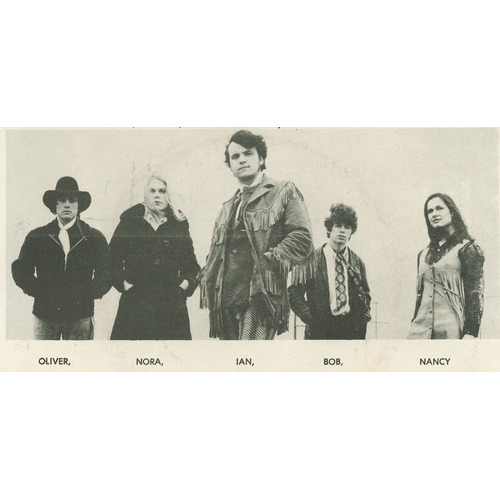
The group began as Ian, Oliver and Nora, featuring songwriter Ian Thomas, guitarist Oliver McLeod, and vocalist Nora Hutchinson. Performing throughout southern Ontario during the folk revival era, the trio built a regional following on the strength of tight vocal blending and Thomas’s increasingly polished melodic writing.
Before signing with RCA, the group briefly performed under the name Nora’s Truck Stop, reflecting a transitional period as their sound shifted from acoustic folk toward fuller pop-rock arrangements. As the lineup expanded, Bob Doidge joined on bass and Nancy Ward on keyboards and recorder. With the addition of rhythm section and keys, the band adopted the name Tranquillity Base, positioning themselves for national exposure.
In March 1970, RCA Victor released the group’s debut single, ‘If You’re Lookin’’ b/w ‘Fun’ (74-0330). Produced and arranged by Bill Misener for Sun-Bar Productions and recorded at RCA Studios in Toronto, the record showcased bright harmonies layered over orchestral textures. The A-side became a Canadian hit, reaching No. 24 nationally on the RPM 100 chart, while climbing even higher regionally — including a No. 3 peak in Hamilton. RCA was sufficiently impressed to arrange a simultaneous United States release, a rare move for a fully Canadian-produced single at the time.
For a brief period, Tranquillity Base expanded their presentation beyond typical pop venues, performing alongside major orchestras including the Toronto Symphony Orchestra and the Hamilton Philharmonic. The group also appeared at community and school events, including high school assemblies promoting the “Miles for Millions” walkathon — evidence of their strong regional presence during their peak.
Lineup changes followed the RCA period. Bassist Steve Hogg replaced Bob Doidge at one stage, and when Hogg later departed with Ian Thomas, bassist Nick Urech joined the band. During this later configuration, Stan Rogers was also part of the lineup for a period — a noteworthy early chapter in his pre-recording career.
By the early 1970s, personal and professional shifts reshaped the group. Ian Thomas stepped away from the band and accepted a production role at the CBC. Though leaving Tranquillity Base behind, he continued writing steadily. Within a few years, that creative momentum culminated in his 1973 solo breakthrough ‘Painted Ladies,’ one of the defining Canadian radio hits of the decade.
-Robert Williston
Lineups
1968–1969 (Ian, Oliver and Nora era)
Ian Thomas: guitar, vocals
Oliver McLeod: guitar, vocals
Nora Hutchinson: vocals
1969–1970 (Transition to Tranquillity Base / RCA recording lineup)
Ian Thomas: guitar, vocals
Oliver McLeod: guitar, vocals
Nora Hutchinson: vocals
Bob Doidge: bass
Nancy Ward: keyboards, recorder, vocals
1970–1971 (Post-RCA touring lineup)
Ian Thomas: guitar, vocals
Oliver McLeod: guitar, vocals
Nora Hutchinson: vocals
Steve Hogg: bass
Nancy Ward: keyboards, recorder, vocals
1971–Early 1970s (Later configuration)
Ian Thomas: guitar, vocals
Oliver McLeod: guitar, vocals
Nora Hutchinson: vocals
Nick Urech: bass
Nancy Ward: keyboards, recorder, vocals
Stan Rogers: vocals (period of membership prior to his recording career)
Tracks
3 tracks
If You`re Lookin` b/w Fun (1970)
2 tracks
-
If You`re Lookin`
-
Fun
-
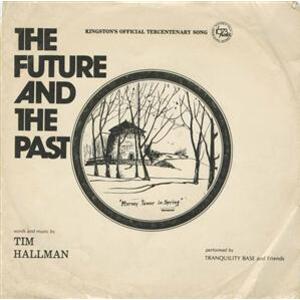
The Future and the Past (The official Kingston Tercentennary Song)
Discography
Featured Titles
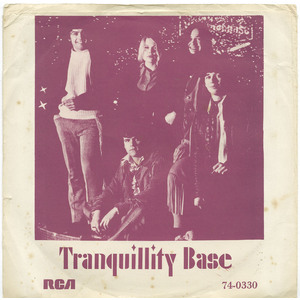
Singles
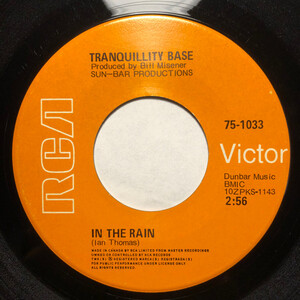
Compilation Tracks

Gallery
Images
2 images
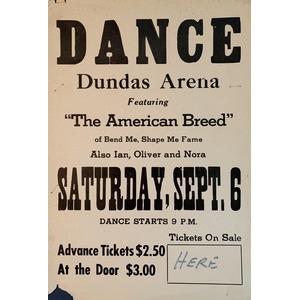
Ian, Oliver and Nora, later to become Tranquility Base.
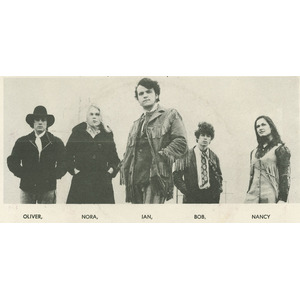
Tranquility Base
Media
Videos
0 videos
No videos available for this artist.