Artist / Band
Bob Van Dyke
Biography
Bob Van Dyke was a Saskatchewan-born singer, songwriter and guitarist whose late-1970s recordings blended country, honky-tonk, rock, blues and polished studio pop. Raised near a small community outside Saskatoon, he emerged as part of a generation of Canadian country performers who were willing to move beyond traditional arrangements and draw freely from contemporary rock and singer-songwriter music.
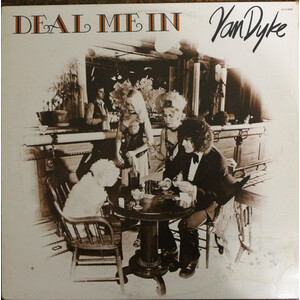
Van Dyke’s recording career was closely tied to Toronto’s Change Records, operated by producer John James Stewart. His debut album, Deal Me In, appeared in 1977 under the abbreviated name Van Dyke and was one of the label’s earliest major releases. Recorded with a strong cast of Toronto studio musicians, the album paired Van Dyke’s country-oriented songwriting with electric and acoustic guitars, keyboards, pedal steel, fiddle and a full rhythm section.
The musicians on Deal Me In included guitarists Danny McBride and Bob Mann, keyboardist Eric Robertson, pedal steel guitarist Bob Lucier, drummer Brian Leonard and violinist Marty Warsh, with backing vocals by Susan Anspach. Van Dyke handled the lead vocals and both electric and acoustic guitar. John James Stewart produced the album, while arrangements were contributed by Jeff Smith and Eric Robertson.
The album presented Van Dyke primarily as a songwriter. Its material ranged from the direct country-rock of ‘Ridin’ High’ and the title track to the barroom themes of ‘Drink Up – Be Somebody’ and the more reflective ‘This Love Song,’ ‘They Call Her Easy’ and ‘Til the Morning.’ Most of the material was original, with Van Dyke establishing a style that was rooted in country but broad enough to accommodate rock guitar, pop arrangements and longer, more ambitious performances such as ‘Help Yourself.’
Change Records promoted the album nationally, and ‘This Love Song’ received airplay from country and pop stations in several Canadian markets. Contemporary promotion described Van Dyke as part of a “new breed of country,” reflecting the way his records mixed traditional country instrumentation with rock, blues and more elaborate studio production.
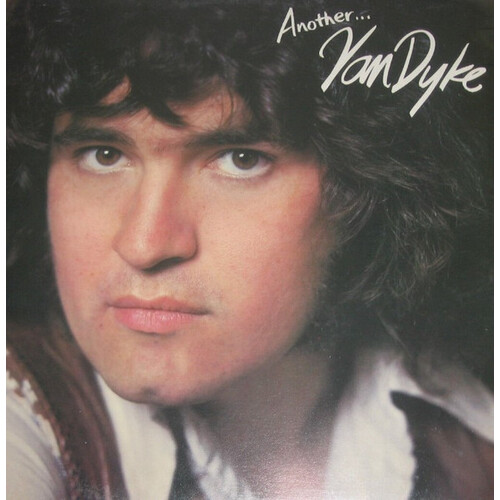
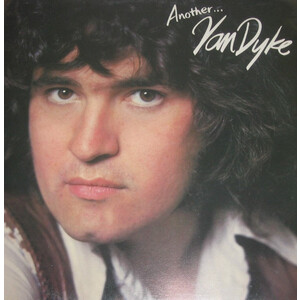
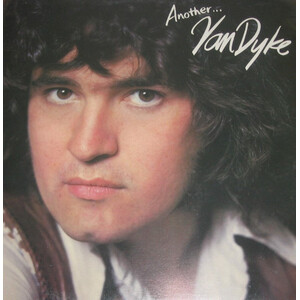
A second album, Another…Van Dyke, followed in 1978. Although less widely documented than his debut, it continued his association with Change Records and producer John James Stewart. The album reportedly consisted largely of Van Dyke originals, along with a version of Buddy Holly’s ‘Everyday.’ Songs associated with the period included ‘Every Woman,’ ‘Moonshine Molly,’ ‘A Nice Nite for Falling in Love’ and ‘Sun Sets in California.’ ‘A Nice Nite for Falling in Love’ featured Stephanie Taylor.
By this time Van Dyke had developed a modest national profile. He was included among the candidates for Best New Artist in the 1978 RPM Canadian music industry poll, and his recordings continued to appear as Canadian singles through Change Records.
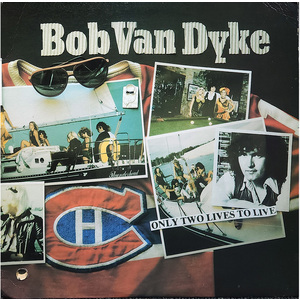
His third album, Only Two Lives To Live, was released in 1980 under the full name Bob Van Dyke. It was a more expansive production, recorded at Sounds Interchange in Toronto and Kingsway Studios in London, England. John James Stewart again served as producer, with Rick Capreol, Kevin Doyle and Mark Gendel engineering and Hugh Cooper assisting.
The album brought together a large group of musicians. Van Dyke performed lead vocals and guitars, joined by bassists Ron Garant, Gordie Langiner and Tom Szczesniak; drummers Paul Beedham, Brian Leonard and Dave Lewis; guitarists Richard Conrad, Stacey Heydon, Billy Miesner and Danny McBride; keyboardists Eric Robertson and Steve Sexton; and steel guitarists Bob Lucier and Alan Kales.
Van Dyke wrote eight of the album’s nine songs, including ‘Sail Away,’ ‘Anna,’ ‘Could I Be With You Tonite,’ ‘Texas,’ ‘The Hungarian White Wine Romance (Or That Love Song),’ ‘I’m Sorry,’ ‘It’s Too Late’ and ‘It’s Over.’ The only outside composition was Van Morrison’s ‘Crazy Love.’ Van Dyke arranged the album’s selections, with string arrangements by Eric Robertson and horn arrangements by Steve Sexton.
Only Two Lives To Live retained Van Dyke’s country foundation but widened the sound through layered guitars, keyboards, strings and horns. ‘Texas’ became one of his most visible recordings and received Canadian radio attention during the period surrounding the album’s release.
Van Dyke’s records were also issued outside Canada. Deal Me In and several associated singles appeared in Australia through 7 Records, demonstrating that Change Records was able to secure limited international distribution for his work. His song ‘Gimme a Harley’ later appeared on the 1983 Australian soundtrack album Hells Angels Forever.
Beyond his own albums, Van Dyke appears to have remained active as a professional songwriter. Songs were registered under variations of his name, including Bob Van Dyke, Bobby Van Dyke and Robert John Van Dyke. His later songwriting associations reportedly included Gilles Godard, Doug Kershaw, Brian Way and Daryl Burgess. Among the songs connected to this period was ‘Life Is Just a Holiday,’ written with Gilles Godard and recorded by Godard with Colleen Peterson.
-Robert Williston
Tracks
9 tracks
Only Two Lives to Live (1980)
9 tracks
-
Sail Away
-
Anna
-
Could I be With You Tonite
-
Texas
-
The Hungarian White Wine Romance (Or That Love Song)
-
I'm Sorry
-
It's Too Late
-
It's Over
-
Crazy Love
Discography
Featured Titles
Albums
Gallery
Images
1 image
Van Dyke, Bob
Media
Videos
0 videos
No videos available for this artist.