Artist / Band
Alfie Zappacosta

Biography
Alfie Zappacosta is an Italian-born Canadian vocalist, guitarist, songwriter, and performer whose career has moved through pop-rock, adult contemporary, theatre, soundtrack work, jazz-influenced recordings, and independent concert performance. Known professionally for many years simply as Zappacosta, he became one of the most recognizable Canadian pop-rock voices of the 1980s before reshaping his work around a more intimate blend of acoustic, jazz, pop, and orchestral influences.
Born Alfredo Peter Zappacosta in Sora, Italy, he moved to Canada as a child and grew up within the Toronto music world. He was first drawn to guitar, but his voice and songwriting gradually pushed him toward the front of the stage. His early professional experience included work in Top 40, R&B, and disco-era bands before he turned toward original rock music. Out of that transition came Surrender, the Toronto group he formed with guitarist Steve Jensen and drummer Paul Delaney. Surrender signed to Capitol Records and released a self-titled LP in 1979, followed by the No Surrender EP in 1982, helping establish the musical circle that would carry directly into Zappacosta’s solo career.
After Surrender ended, Capitol-era material was reworked into his first solo album, released in Canada in 1984 as Zappacosta. The album featured Alfie Zappacosta on vocals and guitar, with Steve Jensen, Mitch Starkman, Paul Delaney, Dee Long, Gerald O’Brien, Peter Boynton, Jeff Jones, and Gerry Mosby among the supporting musicians. Recorded in part at ESP Studios in Toronto, Metalworks Studios in Mississauga, and Record Plant in Los Angeles, the album introduced the dramatic, polished pop-rock sound that would define his first major solo period. Songs such as “Passion,” “We Should Be Lovers,” “I’ll Give It a Go,” “Spread Myself Too Thin,” “Runaround,” “Can’t Let Go,” and “Start Again” positioned him as a strong vocalist and songwriter with a theatrical edge.
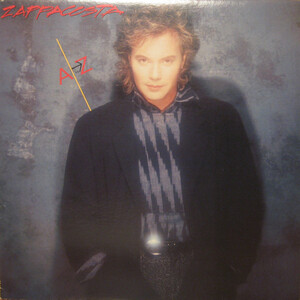
The breakthrough continued with A to Z in 1986. Produced and mixed by Bob Rock, engineered by Mike Fraser, and mastered at Sterling Sound, the album sharpened Zappacosta’s radio sound while preserving the emotional intensity of his writing. “When I Fall in Love Again,” “Nothing Could Stand in Your Way,” “Turn It On,” “Another Man’s Gain,” “Judgement Day,” “I Think About You,” “Burnin’,” and “Heroes” showed an artist working comfortably within the commercial centre of Canadian pop-rock while keeping a distinctive vocal and lyrical identity.
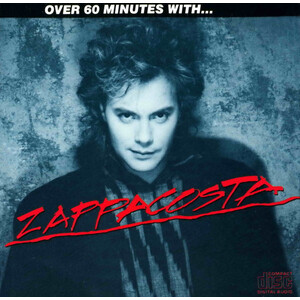
By 1987, Capitol gathered the first phase of his solo work on Over 60 Minutes With… Zappacosta, a compact disc compilation drawing from Zappacosta and A to Z. The package reflected the depth of his studio network, with credits involving Bob Rock, Dee Long, Ed Thacker, Jim Boyer, Gerry Mosby, Gerald O’Brien, Brian MacLeod, Tom Keenleyside, Marc LaFrance, Francine Raymond, and Paul Janz. It also documented how quickly his catalogue had grown from a debut solo project into a substantial body of Canadian radio material.
His visibility extended beyond records. In 1987, he appeared in the Danger Bay episode “Rock Star,” written around his musical persona. That same year, he co-wrote and performed “Overload” for the Dirty Dancing soundtrack, placing him on one of the most commercially successful soundtrack albums of the decade. Loverboy also recorded his song “That’s Where the Money Goes” for their Wildside album, showing his reach as a songwriter beyond his own recordings.
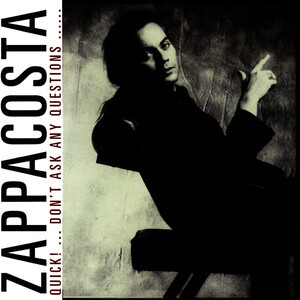
Zappacosta returned in 1990 with Quick… Don’t Ask Any Questions, issued in Canada through A-Zee, Capitol, and EMI. The album widened his musical palette with elements of synth-pop, jazz, pop-rock, and adult contemporary writing. It featured Darren Bowler, Tony Azzopardi, Marco Luciani, The Mozz, Earl Seymour, Tony Carlucci, Corinne Plommish, Janet MacEwen, Sheree Jeacocke, and a string section, with production and engineering work involving Davitt Sigerson, The Mozz, Earl Torno, John Beverly Jones, Hank Medress, and Ted Jensen. Songs such as “Letter Back,” “Nothing to Do With Love,” “Simple Words to Say,” “Good Intentions,” “Place on the Beach,” “I’ll Be the One,” and “Don’t Ask Me” moved him further from the direct rock framing of the mid-1980s and toward a more sophisticated adult-pop language.
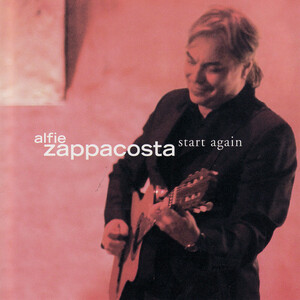
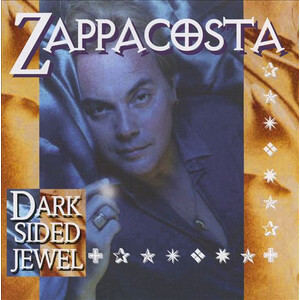
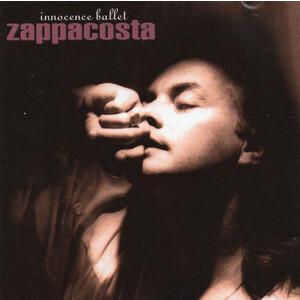
The 1990s marked a major artistic reset. Zappacosta stepped away from the major-label pop-rock image and returned to vocal study, guitar work, and a more intimate approach to performance. Innocence Ballet in the mid-1990s marked an important transition point, with Zappacosta increasingly using Alfie Zappacosta and placing greater emphasis on his voice, acoustic guitar, romantic writing, and more advanced musical settings. This second phase continued with Dark Sided Jewel, recorded with longtime collaborator Gerry Mosby, and then Start Again, released through Marquis / EMI in 2004.
Rather than treating his 1980s hits as fixed period pieces, Zappacosta began reworking parts of his catalogue in arrangements closer to the way he wanted to perform them as a mature singer and guitarist. His theatre work became another important part of that evolution. He portrayed Che Guevara in Evita and Christ in Jesus Christ Superstar, roles that suited the dramatic quality already present in his recordings and helped broaden his identity beyond the pop-rock era.
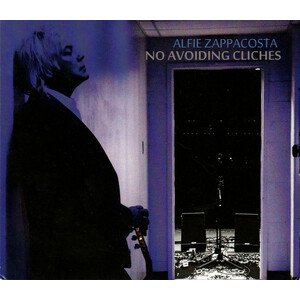
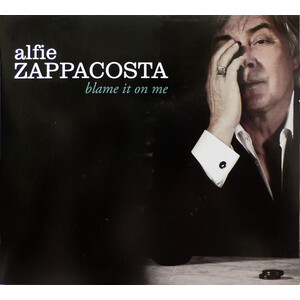
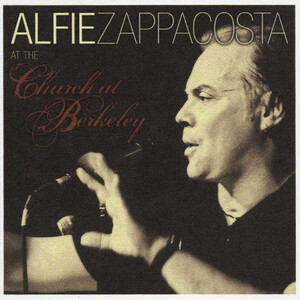
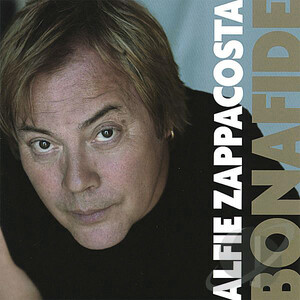
From the 2000s onward, Zappacosta built a substantial independent catalogue, including Bonafide, At the Church at Berkeley, Blame It on Me, Live at Blue Frog Studios, Once Upon a Time, No Avoiding Clichés, Strings Attached, and Saved. At the Church at Berkeley leaned into jazz standards, soft rock, and smooth-jazz settings, with collaborators including Marco Luciani, Pat Kilbride, John Johnson, Claudio Vena, and executive producer Gerry Mosby. Blame It on Me continued the adult-contemporary and jazz-pop direction with Louis Sedmak, Silvio Pupo, Andrew Glover, Don Breithaupt, Dennis Keldie, Blake Manning, Russ Boswell, Bob Tildsley, Dave Babcock, Rhonda Withnell, and Anna Beaumont.
His later album Saved, released by Alma Records in 2021, underlined the breadth of his mature style. With Zappacosta on vocals and guitar, Louis Sedmak on guitar and engineering, and contributions from Blake Manning, Daniel Sedmak, and Denis Keldie, the album continued his movement through pop, jazz, rock, and adult-contemporary textures. Songs such as “Unspoken,” “Here in My Heart,” “Saved,” “Always Near,” “Had Enough,” “Aurelia’s List,” “This Place in Time,” “Just Like This,” and “De Pensar en Ti” showed an artist still writing, recording, and interpreting new material decades after his commercial breakthrough.
Across more than four decades, Alfie Zappacosta has remained difficult to reduce to a single category. His 1980s recordings place him firmly within Canadian pop-rock history, but his later work reveals a singer, guitarist, and songwriter more interested in craft than nostalgia. The arc from Surrender to Zappacosta, from A to Z to Quick… Don’t Ask Any Questions, and from Innocence Ballet through Saved shows an artist who steadily moved toward the music beneath the image: romantic, rhythmically polished, vocally demanding, and shaped by a deep respect for song form, arrangement, and live performance.
-Robert Williston
Tracks
37 tracks
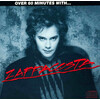
Over 60 Minutes With (1987)
Showing 10 of 16 tracks
-
Nothing Could Stand in Your Way
-
We Should Be Lovers
-
It's All Been Done Before
-
Spread Myself Too Thin
-
When I Fall (In Love Again)
-
Start Again
-
Runaround
-
I'll Give it a Go
-
Turn it On
-
Another Man's Gain
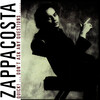
Quick....Don't Ask Any Questions (1990)
Showing 10 of 12 tracks
-
Letter Back
-
Nothing to do with Love
-
Simple Words to Say
-
Good Intentions
-
Place on the Beach
-
The Only One
-
Manny's Dilemma
-
All Night
-
Keep Up
-
I'll be the One
Saved (2021)
9 tracks
-
Unspoken
-
Here in My Heart
-
Saved
-
Always Near
-
Had Enough
-
Aurelia's List
-
This Place in Time
-
Just Like This
-
09 - De Pensar En Ti (Always Near)
Discography
Featured Titles
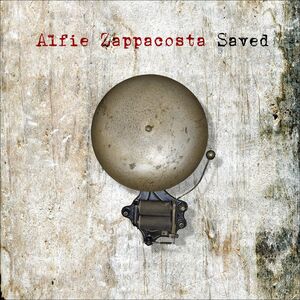
Albums

Singles

Compilation Tracks
Gallery
Images
1 image

Zappacosta
Media
Videos
0 videos
No videos available for this artist.