Artist / Band
Mark Malibu And The Wasagas
Biography
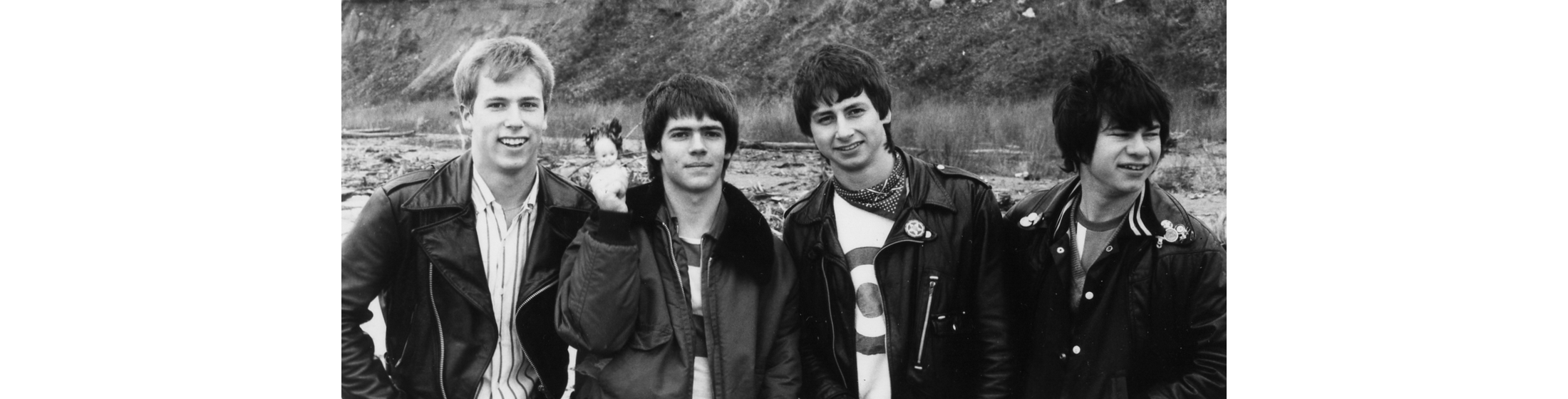
Mark Malibu and the Wasagas were formed in Scarborough, Ontario in 1979 by guitarist Mark Sanders, also known as Mark Malibu. The band grew out of Sanders’ earlier teenage punk group the DeGeneRatz, which he later described as “half Ramones and half Monkees and Stones.” As he began adding surf instrumentals such as ‘Wipe Out’ and ‘Pipeline’ to the set, the new direction became clear. Before long, the Wasagas had become a reverb-heavy instrumental band with one foot in surf music and the other in Toronto’s young punk scene.
At the time, there was no real scene for a band like this in Toronto. Punk, new wave, and early hardcore were all moving in different directions, but the Wasagas were doing something else. They were playing fast, loud surf instrumentals with a garage-band edge at a time when very few Canadian groups were combining those sounds. The band would later become known as “Canada’s original Surf Punks,” a description that reflected both their sound and their early start.
The original lineup featured Mark Sanders on lead guitar, Steve Turner on drums, Buzz on bass, and Chris Welch on rhythm guitar. Welch was later replaced by Christine Oleksyk during the band’s original run. The group played house parties, underage shows, and early Toronto club dates, including appearances at the Turning Point. They also appeared at one of Toronto’s first all-ages venues on a bill with the Good Guys, whose lineup included future Shadowy Men on a Shadowy Planet bassist Reid Diamond.
The Wasagas’ original run lasted from 1979 to 1982. In 1981, with help from high-school friend Steve Jeskie, the band recorded seven songs at Cottingham Sound in Toronto. Tracks such as ‘Wasagas Run’ and ‘Buzz Beat’ later appeared on Toronto underground cassette compilations, and one of those tapes made its way to the UK, where it received some press attention. Another early song, ‘Psychedelic Summer,’ was later used in the Canadian horror film Happy Hell Night.
After the band ended, the Wasagas remained a local underground story, remembered by people connected to Toronto’s early punk scene and by those who had heard the scattered cassette tracks. For years, there was no proper catalogue and no easy way for new listeners to hear what the band had done. They were sometimes remembered as Toronto’s first surf band, but their place in the city’s music history was still largely undocumented.
That changed in 2014, when Sanders brought the band back for Great Lakes Surf Battle 9. What was first planned as a reunion show turned into a full return. By then, there was a much larger international audience for surf, garage, instrumental rock, and punk-related sounds, and the Wasagas’ early mix of those styles finally had a clearer context. The band had started before there was a defined scene for them, but decades later their sound connected naturally with the modern surf underground.
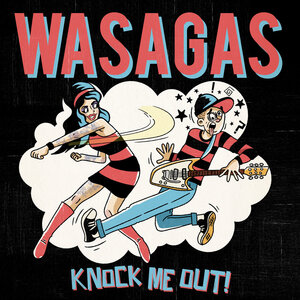
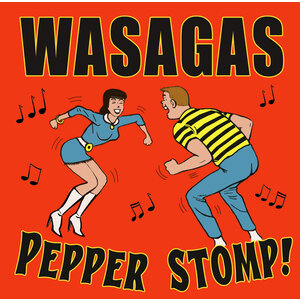
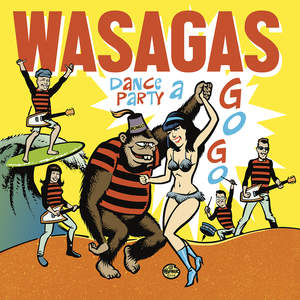
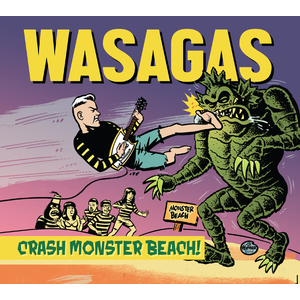
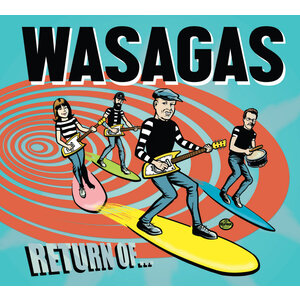
The same year, Original Surf Punk Recordings brought the band’s early material back into circulation. Return of the Wasagas followed in 2017 and launched the reunion era properly. From there, the band became far more productive than it had been during its first run, releasing Crash Monster Beach in 2018, the Wasaga Run / Dawn Patrol picture disc in 2018, Dance Party a’ Go Go in 2020, Haunted Hotrod Beach Party in 2023, the Pepper Stomp EP in 2025, and Knock Me Out! in 2026.
Mark Sanders has remained the main creative force behind the Wasagas throughout the band’s history. As Mark Malibu, he has written the material, led the group on guitar, produced recordings through Film PaniK Ltd., and shaped the band’s sound and visual identity. The Wasagas’ music combines surf, garage rock, hot-rod themes, horror-movie atmosphere, dance-party rhythms, and punk energy, while remaining mainly instrumental.
The reunion-era records helped introduce the Wasagas to a wider surf-rock audience. Crash Monster Beach brought new attention in 2018, followed by Dance Party a’ Go Go and the later Haunted Hotrod Beach Party material. Their music also reached film and television audiences, including the use of ‘Wasaga Showdown’ in the season 6 finale of Good Witch.
Sanders has also stayed active in the broader surf scene through his Surfin’ a Go-Go Radio Show on Surf Rock Radio, where he has featured rare and current instrumental music from Canada and beyond. That work has made him not only the leader of the Wasagas, but also a supporter and connector within the international surf community.
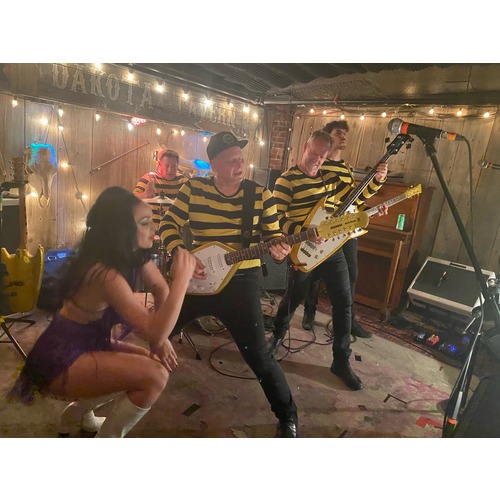
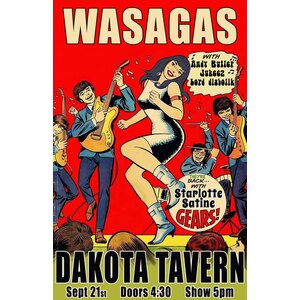
As of the Knock Me Out! era, the lineup includes Mark Malibu on electric guitars, Steve Turner on drums and percussion, Ricky Wasaga on bass, Fast Mike on guitar, and Starlotte Satine as the group’s go-go presence. Earlier reunion-era recordings also featured musicians including Sharny on bass and Wavy Davy or Andrew Wright on guitar.
Mark Malibu and the Wasagas occupy a distinct place in Canadian underground music. They began as a teenage Scarborough band playing surf instrumentals inside the Toronto punk era, at a time when there was no obvious scene or category for what they were doing. Decades later, they returned with a larger audience, a much deeper catalogue, and the same basic idea that set them apart in the first place: fast, twangy, reverb-heavy instrumental rock with a punk edge.
-Robert Williston
Tracks
70 tracks
Crash Monster Beach (2019)
Showing 10 of 13 tracks
-
Wasagas Crash Monster Beach
-
Crazy Mouse
-
Offshore
-
Fuzzy Love
-
Great White Wedding
-
Dawn Patrol
-
Raiders of the Surf Stomp
-
Wasaga Surfing Time
-
The Cruel Sea
-
Astro Bot
Return Of The Wasagas (2019)
Showing 10 of 14 tracks
-
Wasagas Theme
-
Surfin’ a Go-Go
-
Oceanside
-
Wasaga Run
-
Twelve Year Surf Itch
-
Boogie Board
-
End of the Summer
-
In the Shadows
-
Ain’t Gunna Crash
-
Longboarding
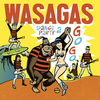
Dance Party a' Go Go (2020)
Showing 10 of 17 tracks
-
Dance Party a’ Go Go
-
Bluffer’s Park
-
Monster on the Loose
-
Into the Soup
-
Scooter Girl
-
Hey Chiwawa (video version)
-
Supergrip Scamp
-
The Last Ride
-
Learn the Wasaga Twist
-
Wasaga Twist
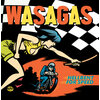
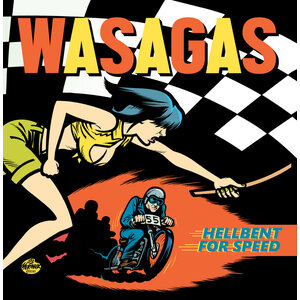
Hellbent for Speed EP (2020)
4 tracks
-
Road Racer
-
Hellbent for Speed
-
Fireball 407
-
Jalopy Summer
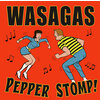
Pepper Stomp EP (2025)
4 tracks
-
Pepper Stomp!
-
Mini Chopper
-
Reef Break
-
Cherry Beach
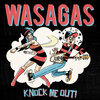
Knock Me Out ! (2026)
Showing 10 of 18 tracks
-
KMO Intro
-
Knock Me Out !
-
Jellyfish Attack
-
Reef Break
-
Love in Liverpool
-
Turning Point
-
Night Stalker
-
Kick Trick
-
The Swerve
-
Pepper Stomp
Discography
Featured Titles
Albums
Gallery
Images
18 images
View All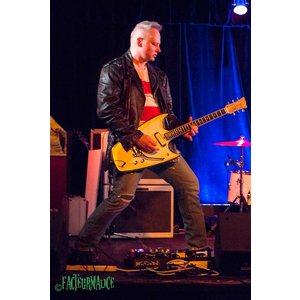
Return_of_the_Wasagas_live_photo
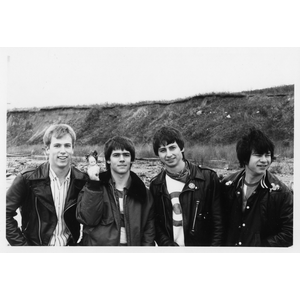
Return_of_the_Wasagas_early_band_photo
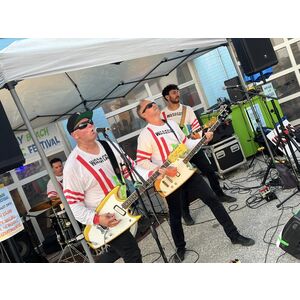
Mark Malibu & the Wasagas (5)
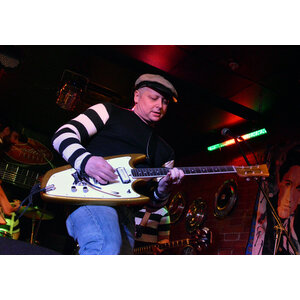
0011619181_10
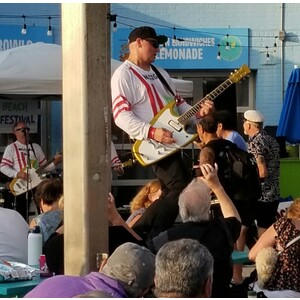
Mark Malibu & the Wasagas (6)
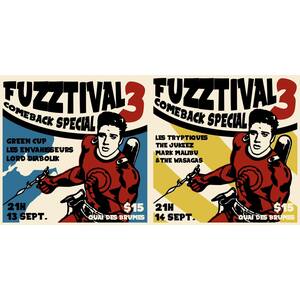
Mark Malibu & the Wasagas (7)
Mark Malibu & the Wasagas (11)
Mark Malibu & the Wasagas (12)
Media
Videos
4 videos