Artist / Band
Chilliwack
Biography
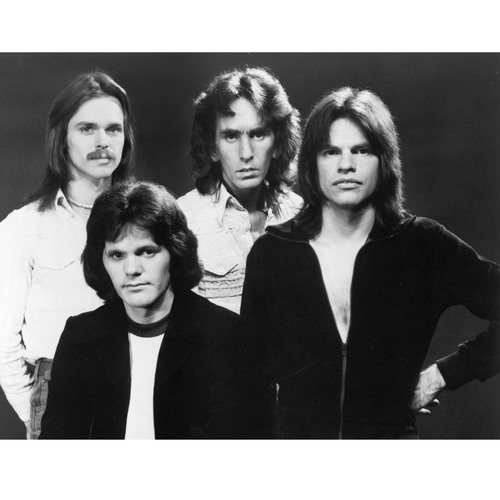
Chilliwack is one of Canada’s most enduring rock bands, a Vancouver group whose career stretched from the psychedelic aftermath of The Collectors into progressive rock, country-tinged pop, hard rock, adult contemporary, and some of the most recognizable Canadian radio songs of the late 1970s and early 1980s. Through all of the lineup changes, label shifts, and stylistic turns, the centre of the band remained Bill Henderson: lead singer, guitarist, principal songwriter, producer, and the voice behind a catalogue that includes ‘Lonesome Mary,’ ‘Crazy Talk,’ ‘Fly At Night,’ ‘California Girl,’ ‘My Girl (Gone Gone Gone),’ ‘I Believe,’ and ‘Whatcha Gonna Do.’ The Canadian Music Hall of Fame describes Henderson’s soaring falsetto and melodic guitar as central to Chilliwack’s bright sound, while Bill Henderson’s own biography frames the band as one of Canada’s top recording acts of the 1970s and 1980s.
The band grew directly out of The Collectors, one of Vancouver’s most ambitious 1960s groups. The Collectors themselves had evolved from the C-FUN Classics and The Classics, the radio and television-linked Vancouver ensemble associated with CFUN and CBC’s Let’s Go. When vocalist Howie Vickers left The Collectors in 1969, the remaining members — Bill Henderson, Claire Lawrence, Glenn Miller, and Ross Turney — carried the music forward under a new name. They chose Chilliwack, after the Fraser Valley community east of Vancouver, partly for the sound of the word and partly because one Indigenous meaning, often given as “valley of many streams,” seemed to reflect their musical diversity.
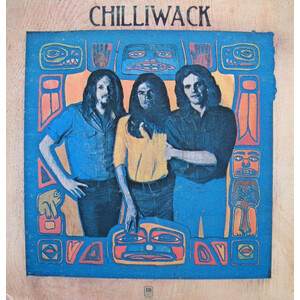
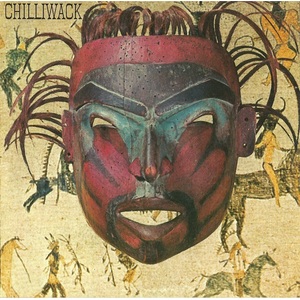
The earliest Chilliwack albums retained much of The Collectors’ exploratory spirit. The group’s 1970 debut and its early follow-ups were not yet built around the concise radio hooks that would later define them. Instead, the band worked through extended arrangements, improvisational passages, shifting textures, and a progressive West Coast vocabulary that drew from rock, folk, jazz, blues, and psychedelia. Henderson’s role grew quickly: he became the principal vocalist and songwriter, but the early Chilliwack sound was still very much a band sound, shaped by Miller’s bass, Turney’s drums, Lawrence’s woodwinds and keyboards, and the lingering adventurousness of The Collectors era.
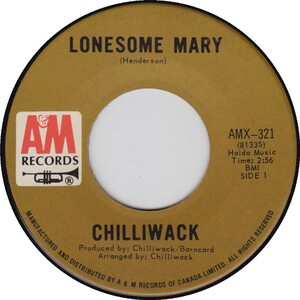
Chilliwack’s first major commercial breakthrough came with ‘Lonesome Mary,’ a song from their second album that reached the Canadian Top 10 in 1973 and also entered the Billboard Hot 100 in the United States. The song marked an important shift. It retained the band’s melodic intelligence but moved toward a more direct, song-based approach. For a group that had come out of extended psychedelic and progressive forms, ‘Lonesome Mary’ showed that Chilliwack could compress its musical personality into a memorable radio single without losing character.
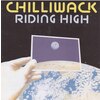
The band’s mid-1970s period brought further refinement. Riding High, released in 1974 and co-produced by Terry Jacks, featured the hit ‘Crazy Talk,’ one of the group’s strongest early singles. Around this time, guitarist Howard Froese became an important member of the band, adding another layer to the group’s developing guitar-centred sound. Chilliwack was gradually moving away from the long-form experimentalism of the earliest records and toward a cleaner, more polished West Coast rock style, but the change was evolutionary rather than abrupt.
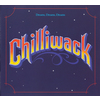
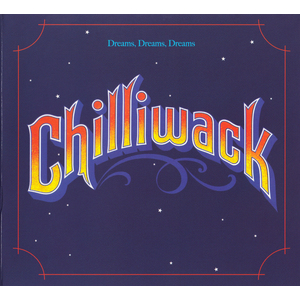
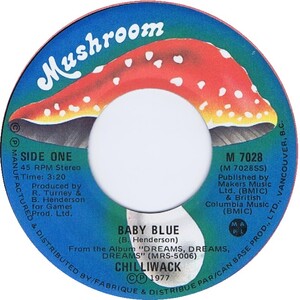
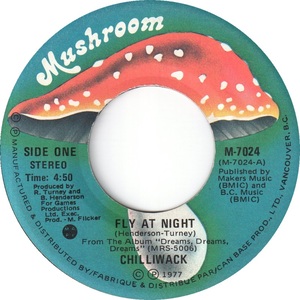
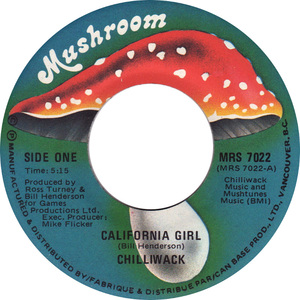
By the late 1970s, Chilliwack entered its first major platinum phase. Dreams, Dreams, Dreams, released in 1977, became the band’s first platinum album in Canada and produced some of its most beloved recordings, including ‘Fly At Night,’ ‘Baby Blue,’ and ‘California Girl.’ The album captured a dreamier, more melodic Chilliwack: still rooted in rock, but smoother, more atmospheric, and increasingly confident as a radio band. ‘Fly At Night’ became one of the definitive Canadian rock songs of its era, a track that seemed to balance nocturnal restlessness, West Coast openness, and Henderson’s unmistakable high vocal lift.
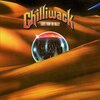
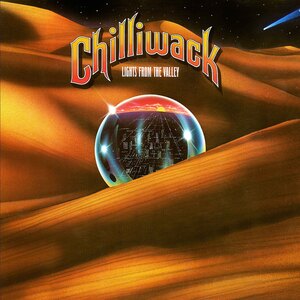
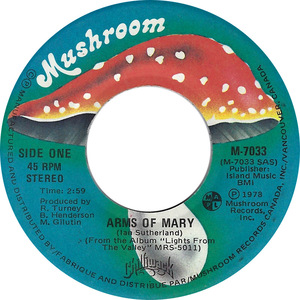
Lights From The Valley followed in 1978 and also achieved platinum status in Canada. It featured the band’s version of ‘Arms Of Mary,’ written by Iain Sutherland, a rare non-original in the Chilliwack catalogue. The album continued the group’s movement toward a broad, accessible pop-rock sound while still holding onto the warmth and layered musicianship that had defined the Henderson-led years. By this point, Brian “Too Loud” MacLeod had entered the orbit of the band, a development that would become crucial to Chilliwack’s next and most internationally successful chapter.
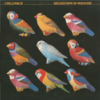
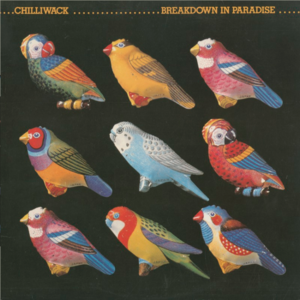
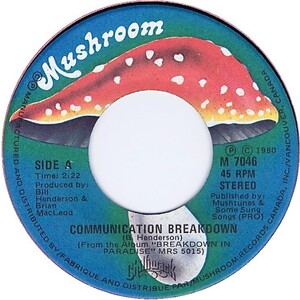
The late 1970s also brought instability. Glenn Miller, Ross Turney, and Howard Froese left, and the band went through a difficult period marked by lineup changes and label problems. Breakdown In Paradise, released in 1979, produced the minor hit ‘Communication Breakdown,’ but the collapse of Mushroom Records undercut the album’s promotion. Many bands would have been finished by that kind of disruption. Chilliwack instead reconfigured around Henderson, Brian MacLeod, and bassist Ab Bryant, creating the version of the band that would achieve its greatest international recognition.
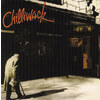
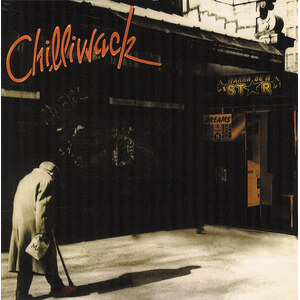
That trio broke through with Wanna Be A Star in 1981. Built around the partnership of Henderson, MacLeod, and Bryant, the album gave Chilliwack a harder, sharper, more contemporary pop-rock edge. ‘My Girl (Gone Gone Gone)’ became the band’s biggest hit, reaching number one in Canada and number 22 on the Billboard Hot 100. Its finger-snapping rhythm, bright vocal hook, and memorable call-and-response arrangement made it instantly recognizable, while its video helped push the band into the early music-video era. ‘I Believe’ also became a major single and deepened Chilliwack’s reach into the U.S. market. The Canadian Music Hall of Fame notes that the success of these songs led to appearances on American television programs including American Bandstand, Solid Gold, and The Merv Griffin Show.
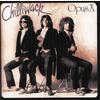
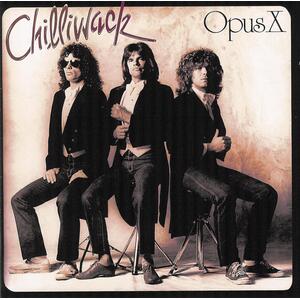
The follow-up, Opus X, released in 1982, continued that success and went platinum in Canada. Its best-known single, ‘Whatcha Gonna Do,’ carried a harder rock edge while retaining the melodic discipline that made Henderson’s writing so effective. The Henderson-MacLeod production partnership was recognized with the Juno Award for Producer of the Year for ‘Whatcha Gonna Do’ and ‘Secret Information.’ That award confirmed what the records already made clear: Chilliwack’s commercial peak was not simply a matter of catchy singles, but of careful production, strong arrangements, and a band able to modernize without losing its identity.
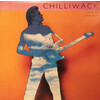
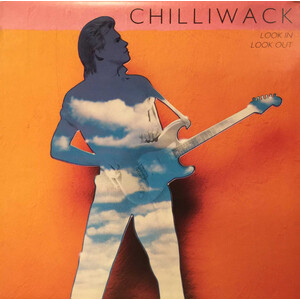
MacLeod and Bryant soon left to concentrate on Headpins, the hard rock band that had begun as a side project and developed its own major Canadian career. Henderson continued Chilliwack with Look In Look Out in 1984 and toured with later lineups through the mid-to-late 1980s, including a version that brought original member Claire Lawrence back into the fold. By 1988, the long original run had ended. Henderson then moved into other work, including production, film and television music, songwriting advocacy, and the folk trio UHF with Shari Ulrich and Roy Forbes.
Chilliwack’s later history is also part of the story. Henderson revived the band in the late 1990s, and a new performing lineup kept the songs alive for audiences across Canada. The group released There And Back – Live in 2003, and Henderson later issued ‘Take Back This Land’ in 2015, a protest song and video featuring his daughters Camille Henderson and Saffron Henderson. The continued life of Chilliwack on stage helped confirm that the band’s appeal was not simply nostalgic; the songs remained sturdy, melodic, and emotionally direct enough to carry across generations.
The recognition that followed was substantial. Chilliwack was inducted into the Canadian Music Hall of Fame in 2019 and Canada’s Walk of Fame in 2023. Henderson himself received the SOCAN Special Achievement Award in 2014, was appointed a Member of the Order of Canada in 2015, and was inducted into the Canadian Songwriters Hall of Fame in 2023. These honours underline the broader importance of his work: not only as the frontman of Chilliwack, but as a songwriter, producer, performer, copyright advocate, and builder within Canada’s music community.
Chilliwack’s career is sometimes described as a move from psychedelic rock to pop-rock, but that only hints at the larger achievement. Few Canadian bands travelled through as many phases while maintaining such a clear melodic identity. From The Collectors’ experimental legacy to the early progressive albums, from ‘Lonesome Mary’ and ‘Crazy Talk’ to Dreams, Dreams, Dreams, from the radio perfection of ‘My Girl (Gone Gone Gone)’ to the polished power of Opus X, Chilliwack kept adapting without severing the thread. That thread was Henderson’s gift for melody, his unmistakable voice, and the band’s ability to make sophisticated music feel effortless.
In the larger story of Canadian rock, Chilliwack stands as one of the clearest examples of West Coast persistence and reinvention. They began as the next life of The Collectors, survived changing labels and changing lineups, reached national and international audiences, and left behind songs that still feel woven into Canadian memory. Their best work carries the brightness of Vancouver rock at its most melodic: open, tuneful, polished, searching, and built to last.
-Robert Williston
Tracks
117 tracks
-
Sundown
-
Every Day
-
Seventeenth Summer
-
Ballad
-
I Got You Fixed
-
Rain-O
-
Chain Train
-
Lonesome Mary
-
Eat
-
Rosie
-
Ridin'
-
Ride-Out
-
Always
-
Changing Reels
-
Shine
-
Claps - Chants
-
Whistle - Flute Pads
-
Lonesome Mary

All Over You (1972)
Showing 10 of 11 tracks
-
Singing the Blues (All Over You)
-
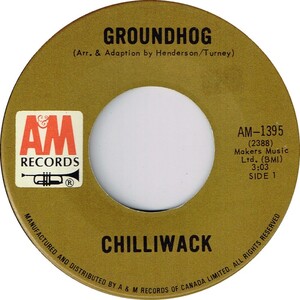
Ground Hog
-
Chickenshit Man
-
Hot Winds
-
Nothin' to Do
-
The Fields and the Sea
-
Rock N' Roll Music
-
Things Keep Changin'
-
Me and You
-
Hit Him With Another Egg
Riding High (1974)
7 tracks
-
Come On Over
-
Crazy Talk
-
There's Something I Like About That
-
Makin' Time
-
Riding High
-
Time Don't Mean a Thing To Ya'
-
Far Side of the Sun (Suite): Far Side of the Sun - Drifting - Secrets
Rockerbox (1975)
8 tracks
-
If You Want My Love
-
I Know, You Know
-
When You Gonna Tell the Truth
-
Train's a Comin' Back
-
Marianne
-
Treat Me Fine, Treat Me Good
-
Magnolia
-
Last Day of December
Dreams, Dreams, Dreams (1976)
8 tracks
-
Fly At Night
-
Baby Blue
-
Rockin' Girl
-
California Girl
-
Roll On
-
Something Better
-
Rain-O
-
Fly At Night (reprise)
Lights from the Valley (1978)
10 tracks
-
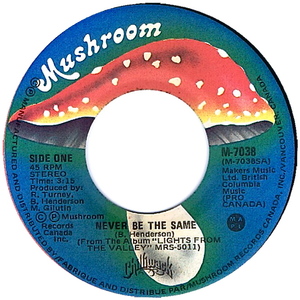
Never be the Same
-
I Wanna be the One
-
How Can You Hide Your Love?
-
(We Don't Have To) Fall in Love
-
Lookin' For a Place
-
Arms of Mary
-
Tonight
-
She Keeps On Crying
-
In Love With a Look
-
No Love At All
Breakdown in Paradise (1979)
9 tracks
-
Communication Breakdown
-
Trial by Fire
-
Guilty
-
148 Heavy
-
Let it All Begin
-
So Strong
-
Last Time
-
Are You With Me
-
Road to Paradise
Wanna Be a Star (1981)
10 tracks
-
Sign Here
-
(So You) Wanna be a Star
-
Tell it to the Telephone
-
Too Many Enemies
-
Living in Stereo
-
Mister Rock
-
My Girl
-
(Don't Wanna) Live for a Living
-
Walk On
-
I Believe
Opus X (1982)
9 tracks
-
Whatcha Gonna Do
-
Secret Information
-
She Don't Know
-
Night Time
-
Lean On Me
-
Don't It Make You Feel Good
-
Really Don't Mind
-
You're Gonna Last
-
Midnight
Look in Look Out (1984)
9 tracks
-
Got You On My Mind
-
Don't Shoot Me Down
-
Who's Winning
-
I'm Coming to You
-
Gettin' Better
-
Run With Me
-
Are You Really Going to Walk Out
-
Don't Stop
-
Dream of You
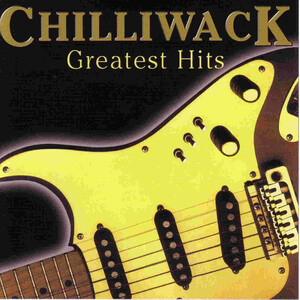
Greatest Hits (2002)
Showing 10 of 13 tracks
-
Don't Stop
-
Gettin' Better
-
Watcha Gonna Do
-
My Girl (Gone, Gone, Gone)
-
I Believe
-
Communication Breakdown
-
Arms of Mary
-
Fly at Night
-
Baby Blue
-
California Girl
-
Fly at Night
Discography
Featured Titles
Albums

Singles
12"
Compilation Tracks
Gallery
Images
1 image
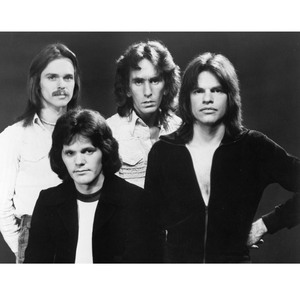
Chilliwack
Media
Videos
0 videos
No videos available for this artist.