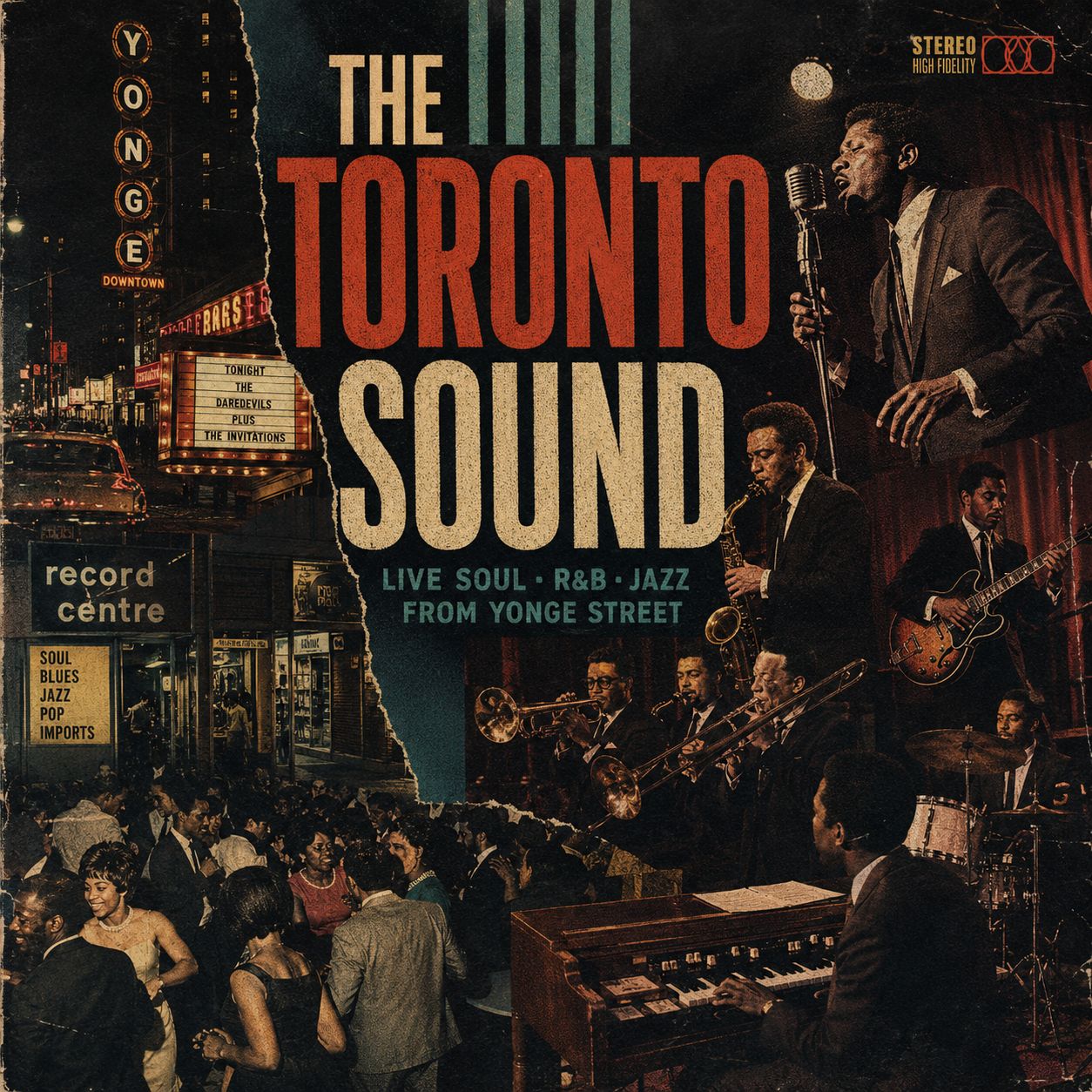
The Toronto Sound
During the 1960s, Toronto developed a musical identity unlike anything else in Canada. Centred on the clubs of Yonge Street and spreading through Yorkville, Scarborough, Willowdale and dance halls across Southern Ontario, the Toronto Sound was a fast, tough and highly charged mixture of rhythm and blues, soul, rock ’n’ roll, blues and British beat music.
At its heart was Club Bluenote, the small second-floor room at 372½ Yonge Street that became an after-hours gathering place for musicians and an incubator for the city’s emerging sound. Local house bands backed visiting American soul and R&B performers, absorbing their songs, arrangements and stagecraft before reshaping them with a distinctly Toronto energy. The resulting music was raw, tightly played and built for dancing, driven by Hammond organ, sharp guitar, forceful drums, saxophones and increasingly elaborate horn sections.
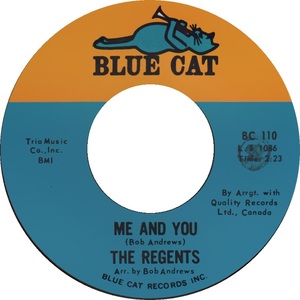
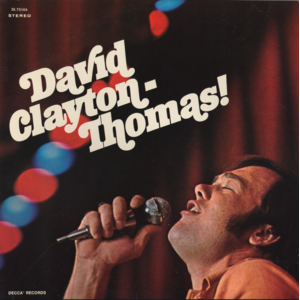
The sound was not confined to one club. The Zanzibar, Le Coq d’Or, the Friar’s Tavern, the Hawk’s Nest, Club 888, the Sapphire Tavern, the Holiday Tavern and Ascot Hall formed part of a dense live-music network in which bands could perform several nights a week. Musicians moved constantly between groups, recording sessions and house-band jobs, creating a remarkably interconnected community. Ronnie Hawkins and the Hawks, Jackie Shane with Frank Motley’s musicians, David Clayton-Thomas and the Shays, Robbie Lane and the Disciples, the Regents, the Five Rogues, Jon and Lee and the Checkmates, Bobby Kris and the Imperials, the Majestics and Grant Smith and the Power all emerged from this environment.
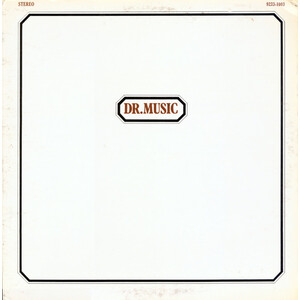
By the middle of the decade, the Toronto Sound had become more ambitious. The Five Rogues evolved into Mandala, combining blue-eyed soul with jazz-informed arrangements and the guitar work of Domenic Troiano. Jon and Lee and the Checkmates developed an equally powerful blend of soul, R&B and rock. The Majestics brought a large, brass-heavy sound to Toronto clubs, recording studios and CBC television, while Motherlode, Dr. Music and Lighthouse carried the city’s tradition of exceptional singers, arrangers and horn players into the 1970s.
Alongside these soul and R&B groups stood a more aggressive generation of blues, garage and psychedelic bands. The Paupers, Luke and the Apostles, the Ugly Ducklings, the Sparrows, Kensington Market and the Mynah Birds shared stages, musicians and audiences with the Yonge Street groups. Although their styles differed, they belonged to the same extraordinarily fertile moment, when Toronto reportedly supported hundreds of working bands and local groups released an astonishing number of singles.
Many of the musicians who shaped the Toronto Sound later became internationally known. Members of the Hawks became the Band. David Clayton-Thomas joined Blood, Sweat & Tears. The Sparrows evolved into Steppenwolf. Neil Young and Bruce Palmer helped form Buffalo Springfield. Rick James emerged from the Mynah Birds. Domenic Troiano went on to Bush, the James Gang and the Guess Who, while Doug Riley, Steve Kennedy, Terry Clarke, Kenny Marco and other Toronto players became central figures in Canadian recording, broadcasting and session work.
Despite those later achievements, the Toronto Sound was never simply a collection of famous names waiting to leave Canada. It was a scene with its own character, created in crowded rooms by musicians who played night after night, learned from one another and transformed American R&B into something immediate, hard-driving and unmistakably local.
This playlist brings together the bands, singers and recordings that defined that movement, from the early rock ’n’ roll and rhythm-and-blues foundations of Yonge Street to the soul, garage, blues and horn-driven groups that carried the Toronto Sound into the early 1970s.
Current Playlist
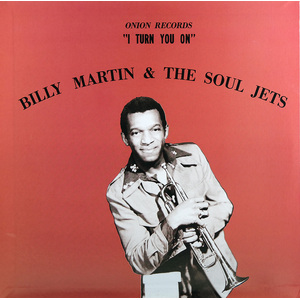
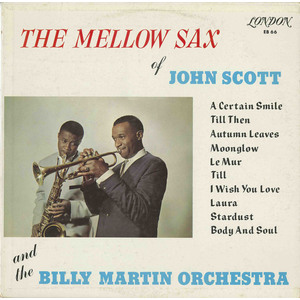
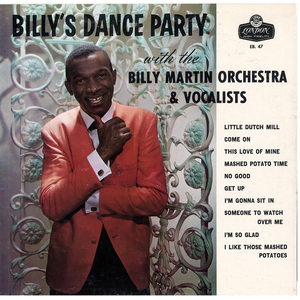
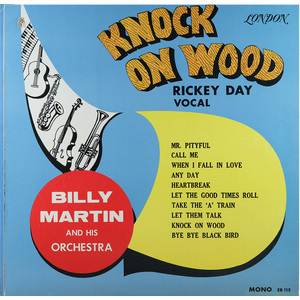
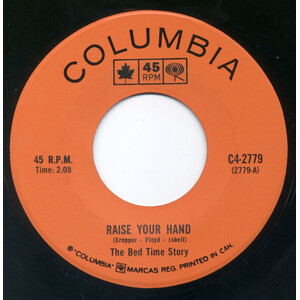
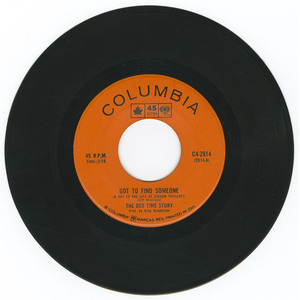
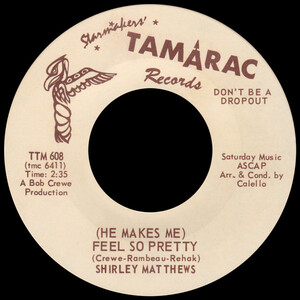
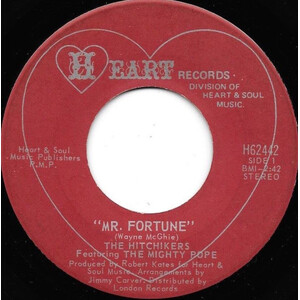
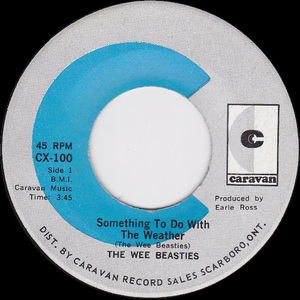
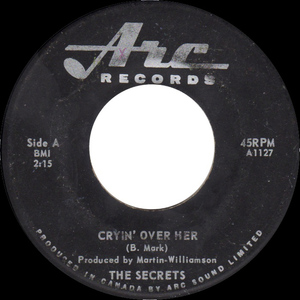
3’s a Crowd; A Passing Fancy; The Ardels; The Beau-Marks; The Bed Time Story; Big Town Boys; Billy Martin; Bobby Kris and the Imperials; Bush; The Canadian Squires; Chimo!; The Churls; The Counts; The Counts Four; The Cougars; Dave Nichols and the Coins; David Clayton-Thomas; Dee and the Yeomen; Dianne Brooks; Dr. Music; Dunc and the Deacons; Eddie Spencer; Eric Mercury; Frank Motley and the Bridge Crossings; Frank Motley and the Hitch-Hikers; Frank Motley and His Motley Crew; George Olliver; Grant Smith and the Power; Heat Exchange; Jack Harden and the Silhouettes; Jack London and the Sparrows; Jackie Shane; Jay Jackson; Jeff Hewitson and the Fugitives; The Just Us; Kensington Market; King Biscuit Boy; The Last Words; Leigh Ashford; Lighthouse; Little Caesar and the Consuls; The Lords of London; Luke and the Apostles; The Majestics; Mandala; McKenna Mendelson Mainline; Motherlode; The Mynah Birds; The Paupers; The Plague; The Poor Souls; The Quiet Jungle; The Regents; The Revelaires; Rhinoceros; Ritchie Knight and the Mid-Knights; Robbie Lane and the Disciples; The Rogues; Ronnie Hawkins; Roy Kenner and the Associates; The Secrets; Shawne Jackson; The Shays; Shirley Matthews; The Staccatos; Steppenwolf; The Stitch in Tyme; The Tiaras; TheCycle / Magic Cycle; The Ugly Ducklings; The Underworld; The Wee Beasties; Whiskey Howl; Wishbone
Future Possibilities
Andy Wilson and the Cosmos; The Belltones; The Cameo Blues Band; The Children; The Dimensions; E.G. Smith and the Power; Eric Mercury and the Soul Searchers; The Five Rogues; Jon and Lee and the Checkmates; Joe King and the Zaniacs; Kay Taylor; The Lincolns; The Lively Set; Mr. Paul and the Blues Council; The One Eyed Jacks; The Power Project; The Roulettes; Simon Caine and the Catch; Sonny Bright and the Sequins; The Soul Searchers; The Statlers; Tommy Danton and the Echos; Whitey and the Roulettes
Tracks
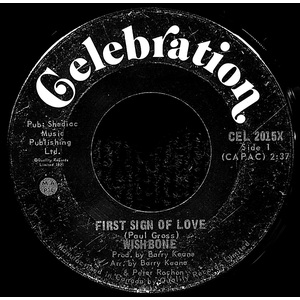
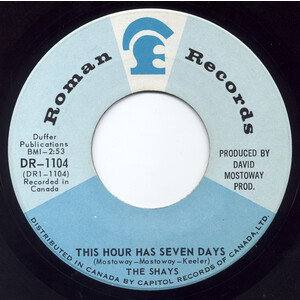
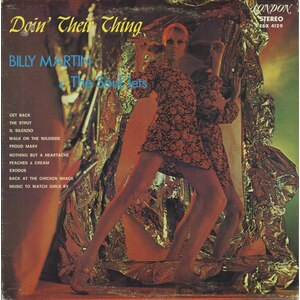
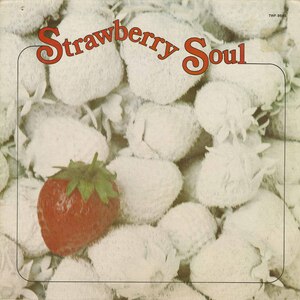
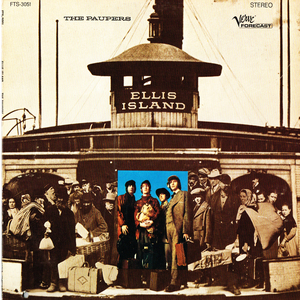
Ellis Island
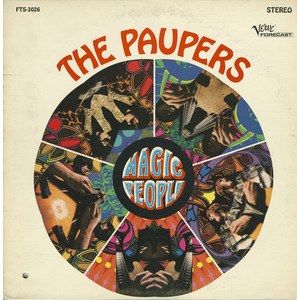
Magic People
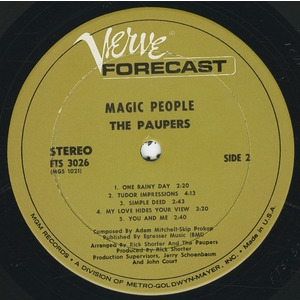
Paupers - Magic People LABEL 02
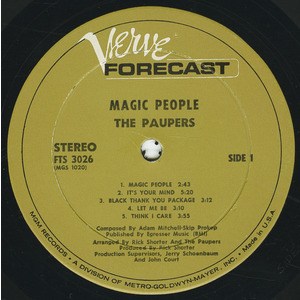
Paupers - Magic People LABEL 01
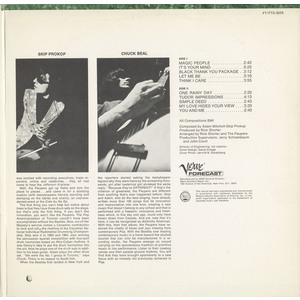
Paupers - Magic People GATEFOLD INSIDE 02
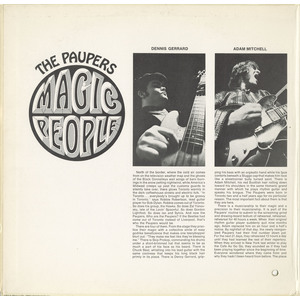
Paupers - Magic People GATEFOLD INSIDE 01
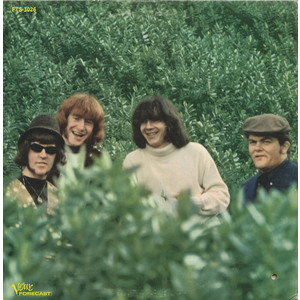
Paupers - Magic People BACK
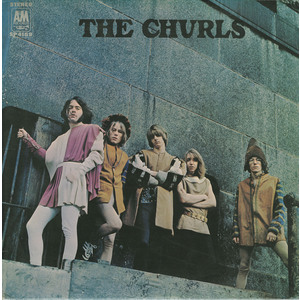
ST
ST
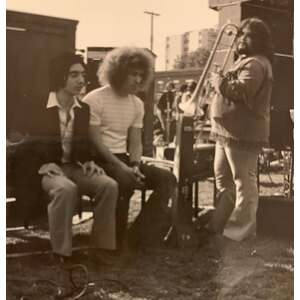
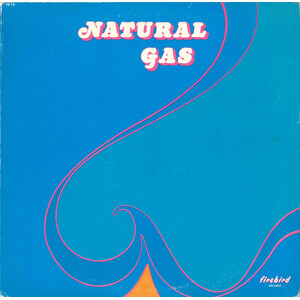
Natural Gas
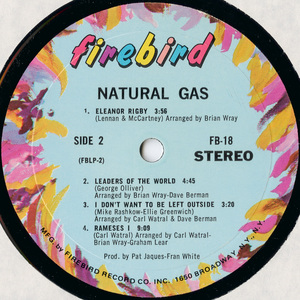
Natural Gas - Natural Gas LABEL 02
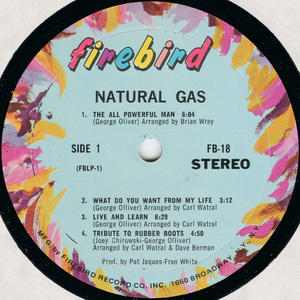
Natural Gas - Natural Gas LABEL 01
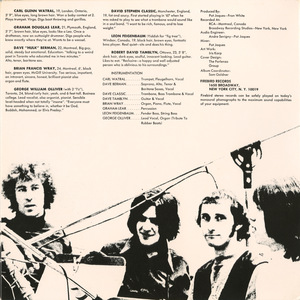
Natural Gas - Natural Gas FOLDOUT 02
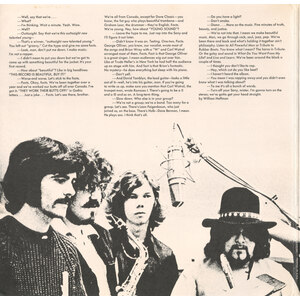
Natural Gas - Natural Gas FOLDOUT 01
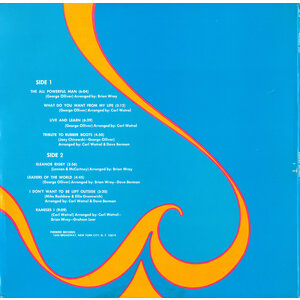
Natural Gas - Natural Gas BACK
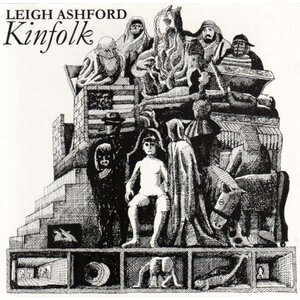
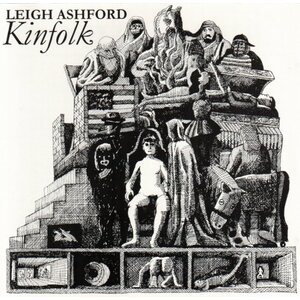
Kinfolk
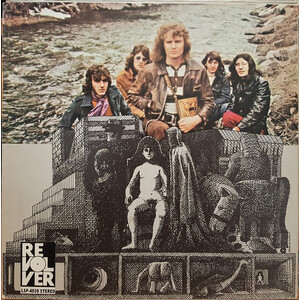
Leigh Ashford / Kinfolk
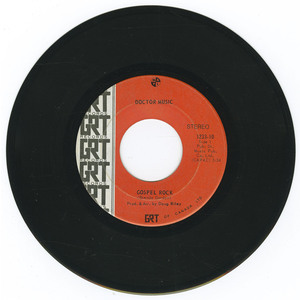
Gospel Rock b/w Sun Goes By
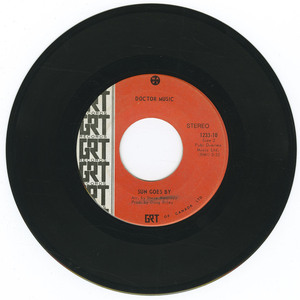
Dr. Music - Gospel Rock VINYL 02
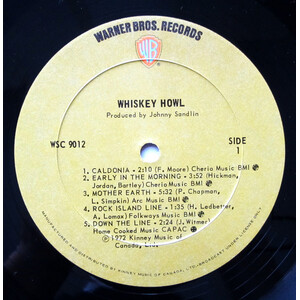
Whiskey Howl - ST
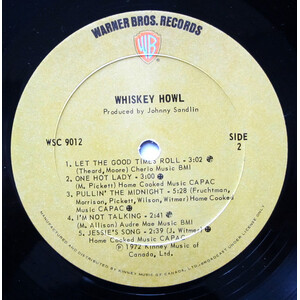
Whiskey Howl - ST
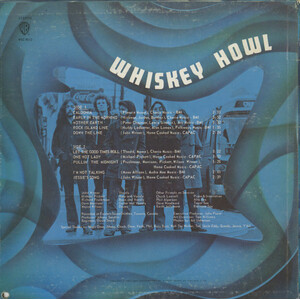
Whiskey Howl - ST
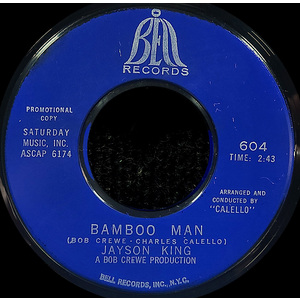
Bamboo Man b/w Heartaches
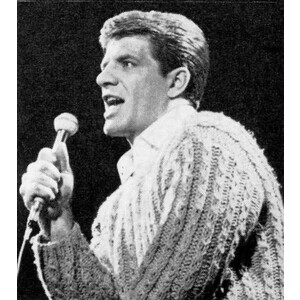
Jayson King (Phil Gariepy)
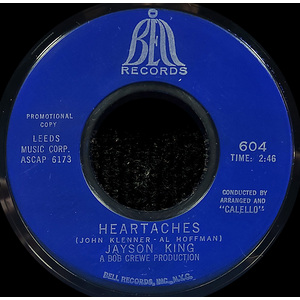
Jayson King / Bamboo Man b/w Heartaches
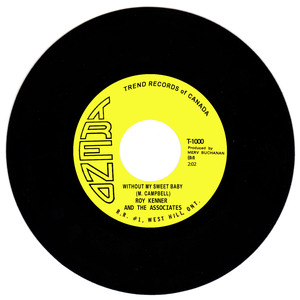
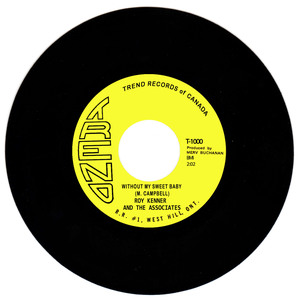
Without My Sweet Baby b/w Baby You’re What I Need
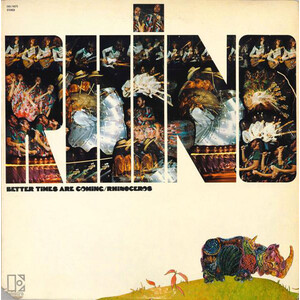
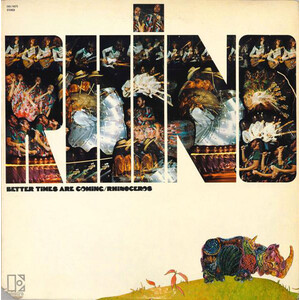
Better Times are Coming
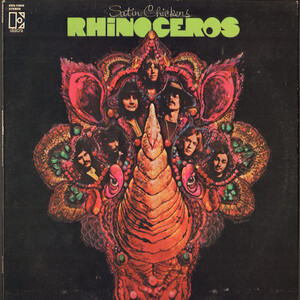
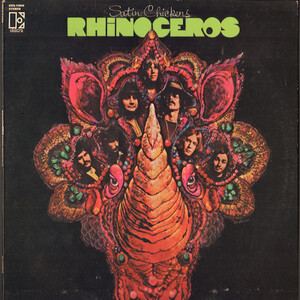
Satin Chickens
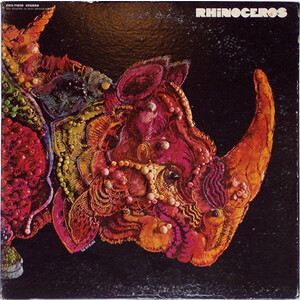
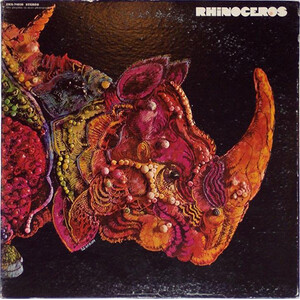
ST
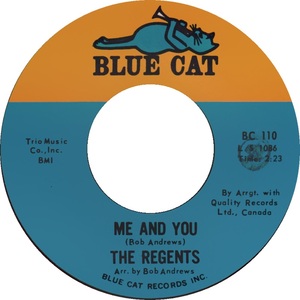
Me and You b/w Playmates
No Comments