Artist / Band
Shari Ulrich

Biography
Shari Ulrich is one of the defining artists of Canada’s West Coast music community: a singer, songwriter, multi-instrumentalist, collaborator, mentor, broadcaster, composer, and independent recording artist whose career has moved across folk, pop, roots, bluegrass, theatre, television, and film. Across more than five decades, she has built a body of work marked by musical intelligence, emotional honesty, and a rare ability to thrive equally as a solo artist, band member, accompanist, and creative partner.
Born in San Rafael, California, Ulrich came of age in the San Francisco Bay Area during the 1960s before moving north to British Columbia in the early 1970s. She arrived in Canada with a restless creative spirit and a practical musician’s curiosity. Violin was her first major instrument, but over time she added mandolin, guitar, piano, dulcimer, flute, saxophone, accordion, harmonica, and other colours to her musical vocabulary. That versatility became one of her trademarks. Ulrich was never simply a singer at the front of a band; she was a musician able to shape arrangements from the inside.
Her first major Canadian breakthrough came with the Pied Pumkin String Ensemble, formed in 1973 with Rick Scott and Joe Mock. The group became a beloved and unconventional force in British Columbia music, blending acoustic instrumentation, humour, theatrical energy, and countercultural independence. With Pied Pumkin, Ulrich contributed violin, mandolin, flute, dulcimer, guitar, piano, saxophone, and vocals, balancing the group’s eccentric spirit with warmth, discipline, and one of the most recognizable voices on the West Coast folk scene. The group’s early independent Squash Records model, built through direct support from fans, also anticipated the artist-controlled path Ulrich would later follow in her own career.
In 1976, Ulrich was hired to tour with Valdy as part of his backing group, The Hometown Band. The ensemble soon became a recording act in its own right, signing with A&M Records and winning the Juno Award for Most Promising Group. Ulrich’s featured vocal on Joe Mock’s “Flying” became a signature moment and carried her voice to a national audience. On the Hometown Band’s second album, she contributed her first self-written song, “Feel Good,” a milestone that opened the door to her solo career.
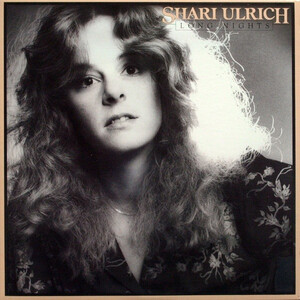
When The Hometown Band dissolved in 1978, Ulrich moved forward as a solo artist and songwriter with unusual purpose. Her debut solo album, Long Nights, released by A&M Records in 1980, introduced her as a writer determined to avoid predictable pop formulas while still reaching radio. Produced by Claire Lawrence and recorded at Pinewood Studios in Vancouver, the album began an intense early songwriting period. Ulrich has recalled that after writing “Feel Good,” her next thirty songs appeared across her first three solo albums.
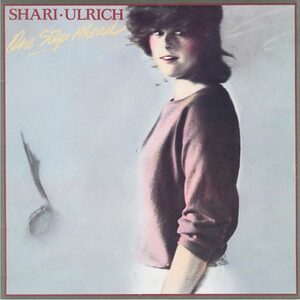
Her second album, One Step Ahead, followed in 1981 and brought further national recognition. The album sharpened her balance of melodic pop, roots-informed musicianship, and contemporary production, and helped earn Ulrich the Juno Award for Most Promising Female Vocalist of the Year. She was soon signed to MCA for Talk Around Town, released in 1982. Produced again by Claire Lawrence, the album placed Ulrich in a polished international pop setting with musicians including Bill Henderson, Marty Walsh, Nathan East, Robbie Buchanan, David Pickell, Michael Kalanj, Mike Baird, Jane Mortifee, Nancy Nash, and Roy Forbes. Although the record was positioned for a wider push, a corporate shakeup at MCA shortly before its planned U.S. release left Ulrich without the support the album had been built to receive.
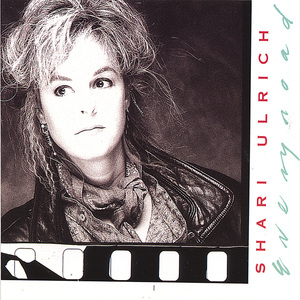
That setback became a turning point rather than an ending. After time spent in Toronto and Los Angeles, Ulrich returned to British Columbia and continued on her own terms. Every Road, released independently through Doremus in 1989, reflected that return. Produced by Graeme Coleman, with Bill Buckingham and Ulrich as co-producers, the album paired late-1980s pop production with reflective songwriting and a strong West Coast cast. It also stood at the edge of another major chapter: the formation of UHF with Bill Henderson and Roy Forbes.
UHF brought together three of British Columbia’s most respected songwriters and vocalists in a stripped-down acoustic setting. Their recordings showcased the natural blend of Henderson, Forbes, and Ulrich, with each member contributing songs and instrumental personality. For Ulrich, UHF was not a sideline so much as another expression of her career-long preference for musical conversation: voices, instruments, and songs sharing space without hierarchy.
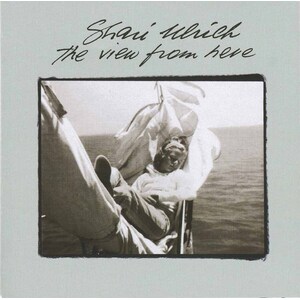
Ulrich continued to record under her own name through the 1990s and 2000s. The Best Of Shari Ulrich gathered material from her early solo period, while The View From Here in 1998 presented a mature independent songwriter working with longtime collaborators including Claire Lawrence, Bill Runge, Bill Henderson, Michael Creber, Brian Newcombe, Jerry Adolphe, Marc Jordan, and others. The album reflected the breadth of her musical world: folk-rooted writing, chamber textures, jazz-informed arrangements, and careful studio craft.
Away from the album cycle, Ulrich built an unusually varied creative life. She wrote and hosted television, co-hosted Futurescan with David Suzuki, created material for Sesame Street, composed for film and television, scored documentary work, and appeared in musical theatre, including Tapestry, a tribute to Carole King, and Baby Boomer Blues. These projects widened her public presence while reinforcing the same qualities that shaped her records: intelligence, empathy, musical fluency, and a willingness to move wherever the work required.
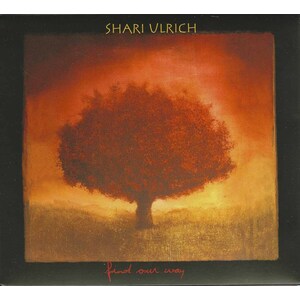
Her songwriting also became increasingly personal. Find Our Way, released in 2010 on Esther Records, was her seventh solo album and her first fully self-produced project. It drew from family, memory, grief, change, and reconciliation, including ‘By The Grace Of Goodbye,’ inspired by her reunion with the son she had placed for adoption as a teenager. The album also deepened the family thread in her music, featuring her daughter Julia Graff on violin and longtime partner Bill Runge on bass, piano, accordion, and soprano sax.
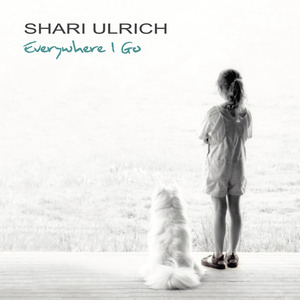
That family connection became central to Ulrich’s later recordings. Julia Graff, who had grown up around music and began joining her mother on stage as a young musician, went on to study sound recording at McGill University and become an engineer, producer, musician, and music editor. She engineered and produced Everywhere I Go in 2014 and later worked with James Perrella on Back To Shore, released by Borealis Records in 2019. Those albums brought Ulrich’s songwriting into a new phase: reflective, finely arranged, emotionally direct, and marked by the rare chemistry of a mother and daughter working not as novelty, but as creative equals.
Ulrich’s collaborative life continued as well. In 2009 she joined Barney Bentall and Tom Taylor in BTU, releasing Live At Cates Hill. She also became part of The High Bar Gang, a bluegrass ensemble featuring Barney Bentall, Colin Nairne, and other West Coast players. The group gave Ulrich yet another setting for harmony singing, fiddle, mandolin, and ensemble musicianship, extending a career already rich with shared musical projects.
Beyond performance and recording, Ulrich has been an important mentor and organizer in Canadian songwriting circles. She has produced and hosted the Vancouver SongBird North series, formerly Bluebird North, for the Songwriters Association of Canada, and has taught songwriting in workshop settings and at institutions including Humber College, the University of British Columbia, and the VSO School of Music. Her contribution to Canadian music is therefore not only found in her recordings, but also in the many songwriters, musicians, and audiences she has encouraged along the way.
Inducted into the British Columbia Entertainment Hall of Fame and recognized with Juno Awards and nominations, Shari Ulrich has built a career defined by independence, adaptability, and emotional truth. From Pied Pumkin to The Hometown Band, from her A&M and MCA solo recordings to UHF, BTU, The High Bar Gang, and her later family-centred albums with Julia Graff, she has remained one of Canada’s most enduring and generous musical presences. Her catalogue stands as one of the most sustained bodies of work in Canadian roots and folk-pop music, but her larger legacy is broader still: a model of how an artist can keep growing, keep collaborating, and keep telling the truth through song.
-Robert Williston
Tracks
97 tracks
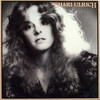
Long Nights (1980)
10 tracks
-
Long Nights
-
Bad Bad Girl
-
Somethin's Gotta Give
-
Chameleon
-
Oh Daddy
-
Take it to Heart
-
A Friend Like Me
-
The Lion
-
Mysterious Child
-
Best Act in Town
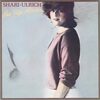
One Step Ahead (1981)
10 tracks
-
Not Gonna Stop
-
Save It
-
One Step Ahead
-
Starlight
-
How Bad do You Want it
-
Romeo
-
Alone With Me
-
She Remembers
-
Bringing Back Your Love
-
Birdman
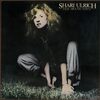
Talk Around Town (1982)
10 tracks
-
You're Making Me Nervous
-
The One and Only
-
Mad Money
-
I'm Not the One
-
Through These Eyes
-
I Don't Wanna Talk About It
-
With Or Without You
-
You're Not So Innocent
-
Love Turns to Ice
-
Talk Around Town
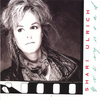
Every Road (1990)
10 tracks
-
Legacies
-
Someday
-
Looking for Me
-
Inside Passage
-
The Heartland
-
House Up On The Hill
-
Only the Heart
-
The Jig
-
It's Not Love
-
Every Road

The Best Of Shari Ulrich (1991)
Showing 10 of 14 tracks
-
She Remembers
-
Somethin's Gotta Give
-
The One and Only
-
I'm Not the One
-
Long Nights
-
Oh Daddy
-
Romeo
-
The Lion
-
Mysterious Child
-
Bad Bad Girl
The View From Here (1998)
Showing 10 of 11 tracks
-
I Found You
-
I Will be There
-
Just a Word
-
Turning
-
If You Loved me
-
Secret Voices
-
The View From Here (instrumental)
-
Time Would Tell
-
Ghosts and Regrets
-
The Fisherman's Lament (instrumental)

Find Our Way (2010)
10 tracks
-
Find Our Way
-
Why Can't We Get Along
-
By the Grace of Goodbye
-
Everlasting Great Regret
-
Life Goes On
-
Living Water
-
(Now You're) Gone
-
What She Left For Us
-
Rolling River
-
(You Will Always Be) My Friend
Everywhere I Go (2014)
10 tracks
-
Everywhere I Go
-
One Sky
-
You Know I Would
-
Free Fall
-
It's Alright
-
Making Friends with Gone
-
Dark Side of Pride
-
Rain Rain Rain
-
Still
-
This Life

Back to Shore (2019)
Showing 10 of 12 tracks
-
Rocky Shores
-
Love Is Everything
-
Busy
-
The Sweater
-
Canada
-
These Lines
-
By and By
-
Mars
-
That's What I Thought Too
-
A Bit of a Forgiveness
Discography
Featured Titles



Albums
Singles

Compilation Tracks
Gallery
Images
1 image

Ulrich, Shari
Media
Videos
0 videos
No videos available for this artist.