Artist / Band
Tim Hus

Biography
Tim Hus is an Alberta-based country, folk, and roots songwriter whose music stands among the clearest modern continuations of the Canadian story-song tradition. Often described as a Canadiana cowboy singer, Hus writes from the road level: truck drivers, miners, fishermen, steelworkers, farmers, bush pilots, trappers, gopher hunters, rum runners, vagabonds, prairie towns, northern work camps, Atlantic harbours, western highways, and the working people who keep the country moving. His songs are plainspoken, funny, rugged, historically alert, and proudly regional, carrying forward a national songwriting line associated with Stompin’ Tom Connors while remaining rooted in Hus’s own Alberta voice.
Born in Nelson, British Columbia and long based in Calgary, Alberta, Hus built his songwriting from lived experience as much as musical influence. Before and during his early years as a performer, he worked a long list of labouring jobs, including tree planting, brewery work, beer truck driving, fruit picking, fishing, pine cone picking, cabinet making, well drilling, painting, courier work, furniture moving, and general labour. That background gave his songs a working-class directness that rarely feels borrowed. He writes about trades, roads, machines, small towns, and rough weather with the vocabulary of someone who has handled tools, hauled loads, and listened to stories in lunchrooms, truck stops, job sites, bars, and backyards.
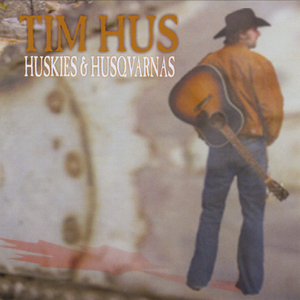
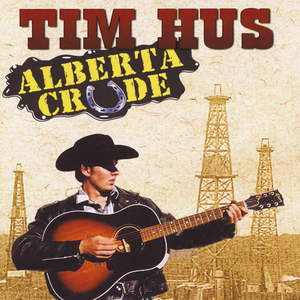
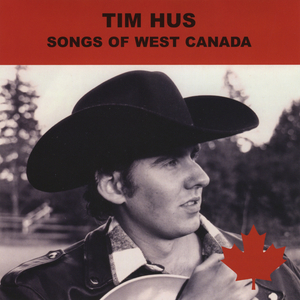
Hus emerged in the early 2000s with an independent catalogue that quickly established the territory he would make his own. Songs of West Canada appeared in 2002, followed by Alberta Crude in 2004 and Huskies and Husqvarnas in 2006. These early recordings introduced his Canadiana cowboy approach: country and folk songs filled with humour, geography, history, and highly specific Canadian detail. Rather than chasing Nashville polish or generic roots music themes, Hus wrote about the West as a lived place: its rigs, grain elevators, highways, dogs, work crews, bush camps, hockey towns, and long drives between shows.
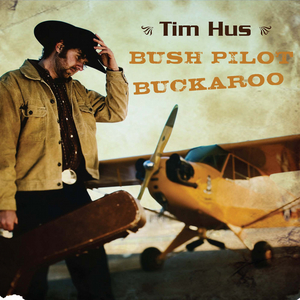
By the late 2000s, Hus had become one of the most visible Alberta songwriters working in the Stompin’ Tom tradition. He signed with Stony Plain Records in 2008, joining a label whose roster also included Ian Tyson, one of the central figures in Canadian western songwriting. His first Stony Plain album, Bush Pilot Buckaroo, expanded his reach and placed him more firmly within the national roots-country circuit. The album helped bring Hus to a wider audience and deepened his reputation as a songwriter whose work was not merely about Canada in a general sense, but about specific people and places within it.
One of the clearest endorsements of Hus’s role came from Stompin’ Tom Connors himself. Connors publicly praised Hus as a younger songwriter proud to write songs about Canada and invited him to open national concert tours. Hus later performed at Connors’ memorial concert on national television and was honoured as a pallbearer at Connors’ funeral. That connection was more than symbolic. Hus shared Connors’ belief that Canadian songs should name Canadian places, honour Canadian workers, and speak directly to audiences far outside the usual cultural centres.
Hus’s peer recognition was equally strong. Corb Lund called him one of his favourite Canadian songwriters and praised his ability to capture “rough-and-ready frontier imagery.” Hus also co-wrote Hurtin’ Albertan with Lund, connecting him directly to one of the most important Alberta roots-country catalogues of the 2000s. The two artists share a regional vocabulary of oilpatch work, western humour, prairie memory, and rural survival, but Hus’s writing often leans further into national travelogue and historical song, treating Canada as a map of stories waiting to be sung.
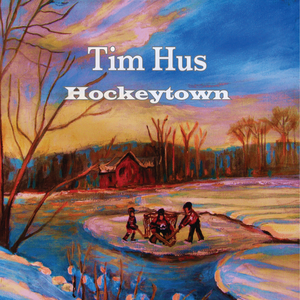
His 2010 Stony Plain album Hockeytown became one of his most fully realized statements. Recorded and mixed largely at Homestead Recorders in Edmonton with Barry Allen as co-producer, the album presented a broad cross-country sweep: Canadian Pacific, Hockeytown, Red River Flood, Saskatchewan Son-Of-A-Gun, North Atlantic Trawler, Hamilton Steel, Picture Butte Charlie, Sasquatch Hunter, Home Of Hank Snow, Country Music Lament, Vagabond, and Talkin’ Saskatoon Blues. The subject matter moved from Saskatchewan gophers to Ontario steelworkers, Atlantic fishermen, western oddballs, railway memory, and the hockey towns that form part of Canada’s emotional geography. Hus’s own album notes and press material emphasized that he took Canadian history seriously and looked for what made his subjects tick, a useful description of the way his best songs work: part character sketch, part road song, part oral history.
Hockeytown also captured Hus’s band at a strong moment. The album featured players including Ron Casat, Craig Korth, Riley Tubbs, Pat Phillips, Peterbilt Pete Christian, Myron Szott, Billy MacInnis, and Charlie Hase, with additional sound contributions from Cobalt and Barry Allen. The recording was funded in part by the Alberta Foundation for the Arts and FACTOR, placing the album within Alberta’s publicly supported roots music ecosystem as well as the national independent recording circuit.
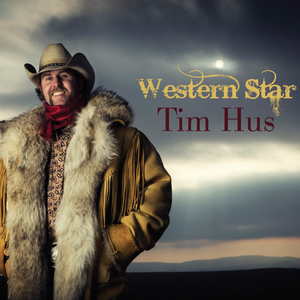
With Western Star, released in 2013, Hus continued the road-driven Canadiana approach while working with producer Harry Stinson. The album was framed as a celebration of a decade on Hus’s Never-Ending-Highways-Tour and featured songs tied to trucking, fishing, mining, fruit picking, rivers, sailors, and country music itself. The record’s notes placed Hus and his band in direct relationship with the older traditions of country, bluegrass, and Canadian road music, acknowledging musicians connected to the worlds of Hank Snow, Bill Monroe, Flatt & Scruggs, George Jones, Marty Stuart, and Stompin’ Tom Connors. For Hus, this was not nostalgia for its own sake; it was a way of locating Canadian working songs inside a broader North American roots tradition while keeping the stories unmistakably local.
Across his catalogue, Hus’s songs return again and again to movement: highways, railways, rivers, boats, trucks, planes, and the people who live in motion. Beneath the humour and hard-driving rhythms is a serious archival instinct. He documents regional work and rural memory in a way that popular music often overlooks. Songs about potash, steel, the Red River, North Atlantic fishing, Alberta oil, bush pilots, hockey towns, apple pickers, and small-town characters become miniature historical records. His writing gives cultural weight to labour that is often treated as background noise in Canadian life.
Hus has also built his career through relentless touring. His official biography and highlights describe more than 1,600 live performances across Canada and beyond, from community halls and rural outposts to festivals, rodeo events, Olympic stages, and national tours. He has represented Alberta at the province’s centennial celebration on Parliament Hill in Ottawa and at the Smithsonian Folklife Festival in Washington, D.C.; performed at the 2010 Winter Olympics in Vancouver; appeared on television programs including Cowboy Country Television and Alberta On My Mind; and had songs licensed for the film Hank Williams First Nation, whose soundtrack won an award in Nashville. His honours include the Country 105 Rising Superstar competition, the Calgary Folk Music Festival Songwriting Contest, Canadian Folk Music Award recognition, and a Roots Artist of the Year nomination at the Canadian Music Awards.
What separates Hus from many country revivalists is the firmness of his Canadian frame. He does not simply borrow rural imagery from older country music; he repopulates the form with Canadian names, Canadian roads, Canadian jobs, Canadian weather, and Canadian humour. His songs make room for the prairies and the Maritimes, for steel towns and oil towns, for hockey rinks and logging roads, for people who work with their hands and tell stories because stories are part of how hard lives are carried. In that sense, Hus is not merely influenced by Stompin’ Tom Connors; he is one of the few later artists to understand the scale of Connors’ project and to carry it forward with sincerity.
Tim Hus remains one of Alberta’s most distinctive country-rooted songwriters: a black-hatted road singer with a catalogue built from labour, landscape, history, and humour. His music belongs to the truck stop, the Legion hall, the prairie festival, the northern highway, the fishing dock, the hockey rink, and the long drive home. At his best, he turns Canadian working life into song without sanding off its rough edges, preserving the voices of people and places that might otherwise pass by in the dust of the highway.
-Robert Williston
Tracks
69 tracks
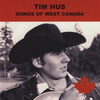
Songs of West Canada (2002)
10 tracks
-
Craigellachie
-
Bigwood Timber
-
Gravel Pit Song
-
Pick-Up Trucks Rodeos and Dust
-
Seine Boat Song
-
Man with the Black Hat (Stompin Tom)
-
Hells Gate Run
-
Open Pit Mine
-
Goin' Back to Calgary
-
Everybody Likes a Hank Williams Song

Alberta Crude (2004)
Showing 10 of 11 tracks
-
Alberta Crude
-
The Bullrider
-
Hotel & Saloon
-
Mountain Fire
-
Longest Stretch of Road
-
Silver in the Buckle
-
Yukon Trail
-
Dangerous Dave's Tractor Show
-
One More Oil Boom
-
Slocan Slim & The Kootenay Kid
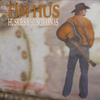
Huskies & Huskvarnas (2006)
Showing 10 of 12 tracks
-
Beer Hauler
-
Rumrunner
-
Huskies & Huskvarnas
-
Hurtin’ Albertan (with Corb Lund)
-
So Long Saskatchewan
-
Saddle Bronc Ride
-
Pipeline
-
Great Plains Tour
-
Flin Flon
-
Train Robbers
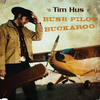
Bush Pilot Buckaroo (2008)
Showing 10 of 12 tracks
-
Dempster Highway
-
Cattlerack Cadillac
-
Bush Pilot Buckaroo
-
Battle River
-
A Hundred Grande
-
Bakersfield Music
-
Man With The Big Hat (with Gary Fjellgaard)
-
Coal Mine
-
Hockey Mom
-
Vancouver Blues
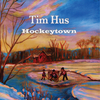
Hockeytown (2010)
Showing 10 of 12 tracks
-
Canadian Pacific
-
Hockeytown
-
Red River Flood
-
Saskatchewan Son-of-a-Gun
-
North Atlantic Trawler
-
Hamilton Steel
-
Picture Butte Charlie
-
Sasquatch Hunter
-
Home of Hank Snow
-
Country Music Lament

Western Star (2013)
Showing 10 of 12 tracks
-
Western Star
-
Master Caster
-
Pheasant Huntin' Day
-
Church of Country Music
-
Halifax Blues
-
Forgotten Sailor
-
Inside Passage
-
Hardcore Apple Picker
-
Marietta Miner
-
Madawaska River
Discography
Featured Titles
Albums
Compilation Tracks

Gallery
Images
1 image

Hus, Tim
Media
Videos
0 videos
No videos available for this artist.