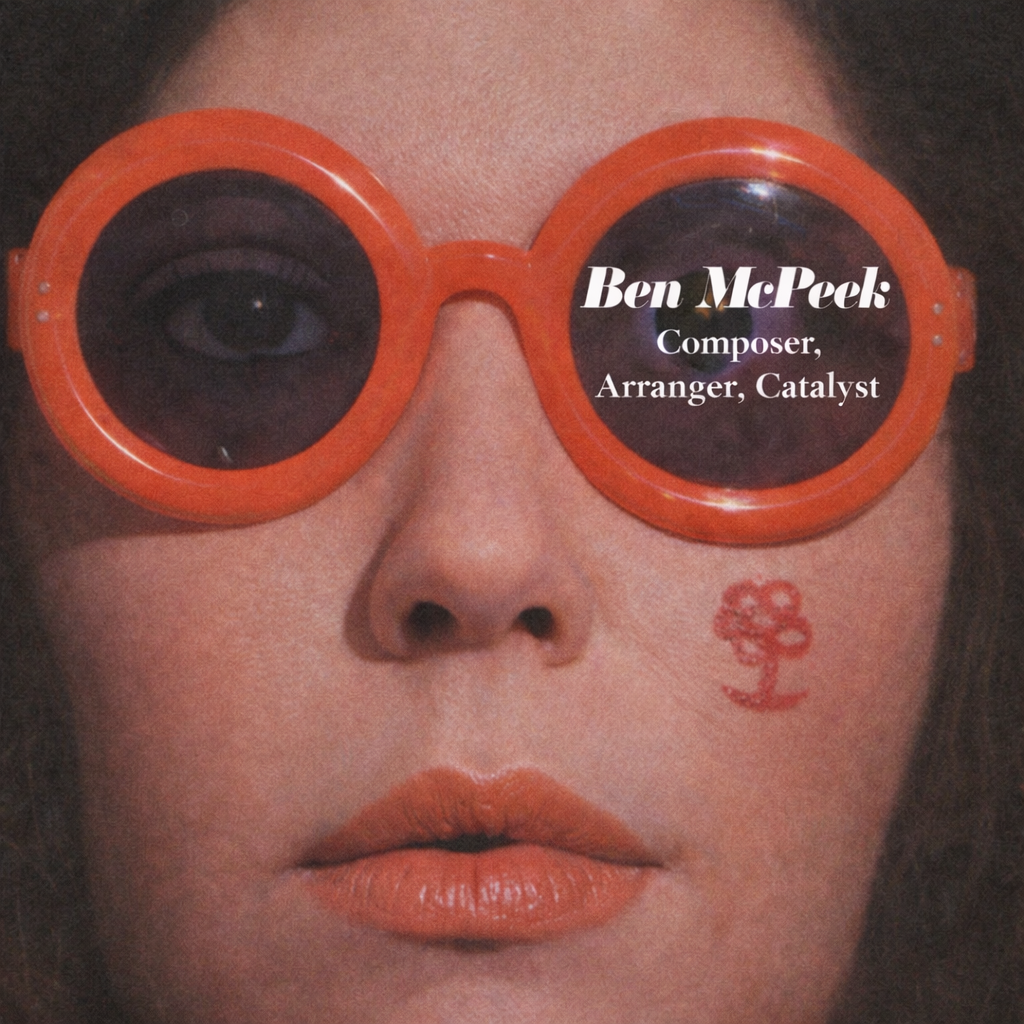
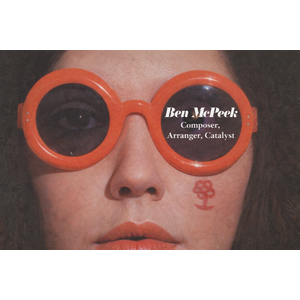
Ben McPeek: Composer, Arranger, Catalyst
Ben McPeek was a Canadian composer, arranger, conductor, pianist, and music industry entrepreneur whose work bridged orchestral composition, popular recording, advertising music, film, and large-scale commercial production. Born August 28, 1934, in Trail, British Columbia, McPeek emerged as one of the most versatile and influential musical figures operating in Canada from the early 1960s through the end of the 1970s.
McPeek received his formal training in Toronto, enrolling at the University of Toronto in 1953 and graduating with a Bachelor of Music degree in 1956. He also pursued studies at the Royal Conservatory of Music. Rather than following a traditional academic or concert-music path, he entered the professional music world directly, working as a pianist with Toronto dance bands and appearing as a singer on CBC radio with the Five Playboys. These early years established both his technical range and his ability to move easily between genres and formats.
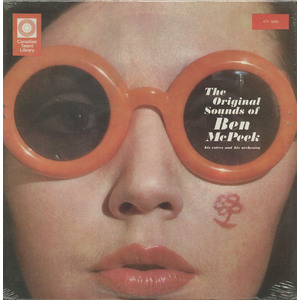
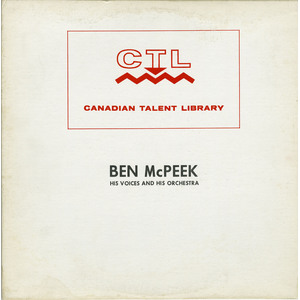
His first recorded album work came through the Canadian Talent Library. In 1966, McPeek released Colourful Configurations Conceived And Conducted By Ben McPeek (CTL M-1080), a mono LP that introduced him as a composer-arranger with a distinctive orchestral voice. The same recordings were subsequently retitled and reissued under various configurations, most notably as The Original Sounds Of Ben McPeek, His Voices And His Orchestra, appearing on Canadian Talent Library, RCA Victor, and later RCA Camden. These releases form the foundation of McPeek’s recorded catalogue and document his early orchestral and ensemble writing.
During the 1960s, McPeek became deeply involved in musical theatre, film, and television. He served as music director for stage productions including Up Tempo 60 and contributed music to a series of Canadian theatrical works such as That Hamilton Woman, Suddenly This Summer, Actually This Autumn, and Spring Thaw. In 1963 he composed The Bargain, an opera based on the Faust legend, written for tenor, mezzo-soprano, and bass-baritone. The work was later televised on the CBC Montréal network in 1966, and its original piano score remains administered by the Canadian Music Centre.
At the same time, McPeek was becoming one of the most sought-after figures in Canadian commercial music. In 1964 he founded Ben McPeek Ltd., a production company that supplied advertising music for major national clients including Chargex, Toronto-Dominion Bank, Labatt’s, Canadian National, and Speedy Muffler King. Over the course of his career he wrote an estimated two thousand jingles, earning a reputation as one of the most prolific and influential advertising composers in the country. His commercial success provided the financial base that allowed him to pursue ambitious recording and production projects outside the advertising world.
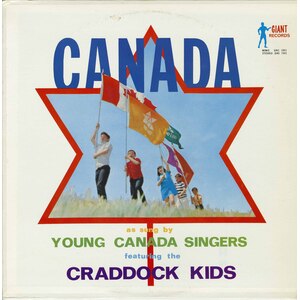
In parallel with his commercial work, McPeek also entered the record business as a label founder. In 1967 he established Giant Records in Toronto, using the imprint as a vehicle for artist development, original Canadian repertoire, and large-scale national projects. Distributed regionally through Wholesale Appliances (Alberta and British Columbia), Caravan Record Sales (Ontario, Manitoba, and Saskatchewan), and Trans World Record Co. Inc. (Quebec and the Maritimes), Giant operated as a fully independent Canadian label during the height of the pre-CRTC era. Its releases included singles by emerging Toronto-area groups such as the Ragged Edges, Boodly Hoo, and the Magic Cycle, as well as the landmark Canada LP by the Young Canada Singers featuring the Craddock Kids—one of the defining recordings of Canada’s centennial year. Giant Records positioned McPeek not only as a composer and arranger, but as an entrepreneurial catalyst shaping Canadian recording infrastructure at a formative moment.
McPeek’s orchestral arranging work reached a national audience during Canada’s centennial celebrations. He created the orchestral arrangement for Bobby Gimby’s “Ca-na-da,” recorded for release on Quality Records by a children’s vocal ensemble later widely referred to as the Young Canada Singers. The single became one of the most successful Canadian recordings of the era, selling hundreds of thousands of copies and generating dozens of subsequent versions. McPeek later revisited the composition with his own instrumental interpretation.
The success of “Ca-na-da” also led directly to a rapidly assembled Centennial-era album featuring the same young vocalists. Although later sources often referred to the performers collectively as the Young Canada Singers, Bonnie Craddock Boden—one of the original participants—has clarified that the recordings were in fact made by The Craddock Kids, a Toronto-based family vocal group who were overdubbed to create the massed-voice effect. The album was produced quickly, reportedly within two weeks of the group’s return from an appearance on The Perry Como Show, with cue cards used during sessions due to the speed at which the project was completed. Reflecting on the experience decades later, Craddock emphasized Ben McPeek’s central role in the period, both creatively and personally: “Ben McPeek was an amazing man. He did so very much for Canada. He was the first to recognize and sign The Guess Who.” The recording stands as another example of McPeek’s ability to move seamlessly between national cultural projects, broadcast production, and the emerging infrastructure of Canadian popular music.
For Expo 67, McPeek was commissioned to compose music for the Canadian Pulp and Paper Pavilion. He supervised the installation and presentation of the pavilion’s audio program, adding another large-scale public work to a résumé that already spanned theatre, television, film, and advertising.
In 1968, McPeek became one of the founding partners of Nimbus 9 Productions, alongside Jack Richardson, Allan Macmillan, and Peter Clayton. The company emerged from collaborative work on major advertising campaigns and quickly evolved into one of the most important independent production houses in Canadian popular music. McPeek’s role within Nimbus 9 was central, both musically and financially, particularly in the early years.
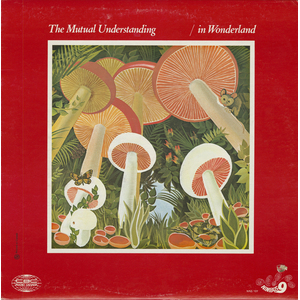
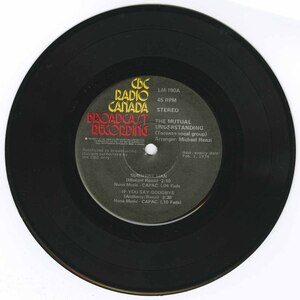
That same year, McPeek served as musical director for In Wonderland, a CBC Radio Canada transcription LP credited to The Mutual Understanding and issued jointly by Nimbus 9 Productions and CBC Radio Canada. Recorded at Hallmark Studios in Toronto and produced by Dave Bird and Jack Richardson, the album documented a purpose-built vocal ensemble led by Laurie Bower, with McPeek shaping the repertoire, arrangements, and overall sound. Blending sunshine pop, jazz-inflected orchestration, and broadcast-era sophistication, In Wonderland was not a commercial retail release but a CBC transcription pressing circulated primarily to radio stations. Over time, it has come to be regarded as one of the most sought-after Canadian recordings of the era and stands as one of the clearest expressions of McPeek’s work as an arranger and ensemble architect outside the rock-production framework of Nimbus 9.
Nimbus 9’s first major release was A Wild Pair, a Coca-Cola–sponsored album pairing the Staccatos and the Guess Who. McPeek served as musical director for the Guess Who tracks, with Richardson producing. Released in 1968, the album sold approximately 85,000 copies in Canada, an unprecedented figure at the time, and remains one of the pivotal recordings in Canadian rock history.
Following this success, Nimbus 9 signed the Guess Who outright. McPeek played a key role in supporting the band’s transition from their Quality Records contract and in financing their early Nimbus 9 recordings. He served as musical director on the Wheatfield Soul sessions recorded in New York in 1968, an album that launched the group’s international breakthrough with “These Eyes.” The success of the single and album established Nimbus 9 as a major force in the industry and confirmed McPeek’s behind-the-scenes influence on one of Canada’s most successful rock acts.
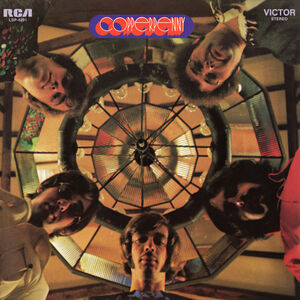
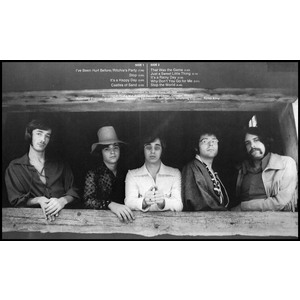
During this same period, McPeek’s arranging work extended into Nimbus 9–associated rock projects beyond the Guess Who. He provided orchestral and ensemble arrangements for the Kitchener, Ontario group Copperpenny on their 1970 self-titled RCA Victor debut, produced by Jack Richardson and recorded in Chicago. The album blended radio-friendly pop material with heavier rock and extended psychedelic passages, augmented by McPeek’s string and horn arrangements. Issued at a moment when Canadian rock production was rapidly professionalizing, the record reflected McPeek’s ability to translate orchestral thinking into contemporary rock settings and underscored his role as a key arranger within the Nimbus 9 production orbit.
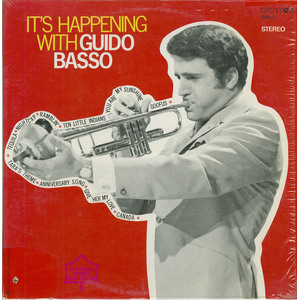
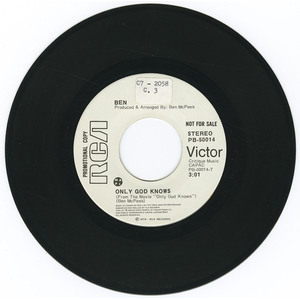
Throughout the 1970s, McPeek continued to balance commercial recording, orchestral writing, and film work. His credits include scores for films such as The Rowdyman, Catch the Sun, and Only God Knows, as well as arrangements for artists including Laurie Bower and Bachman-Turner Overdrive. His arranging work during this period also encompassed major Canadian jazz and studio projects, including contributions to Canadian Talent Library recordings by leading soloists. Among these was Guido Basso’s 1967 CTL album It’s Happening, on which McPeek was one of several featured arrangers alongside Jimmy Dale, Roy Smith, and Rick Wilkins, placing him firmly within Toronto and Montréal’s elite studio-jazz circle.
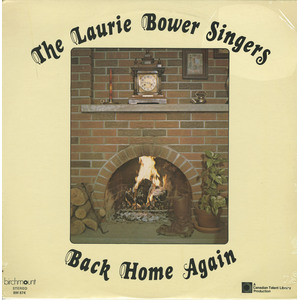
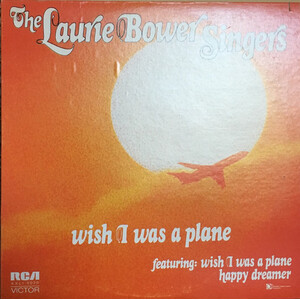
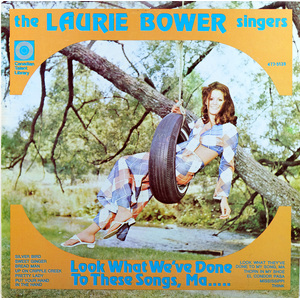
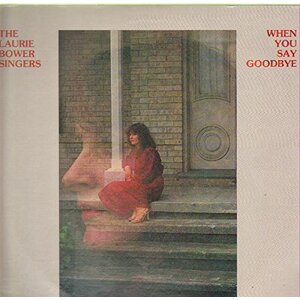
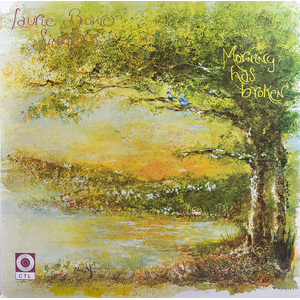
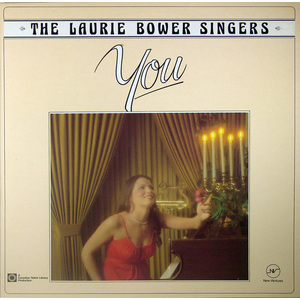
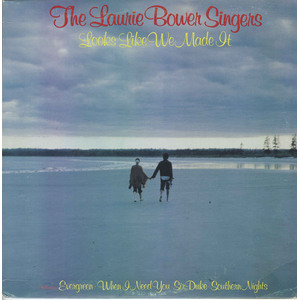
During this same period, McPeek maintained a sustained studio relationship with the Laurie Bower Singers, contributing arrangements, keyboards, and musical leadership across much of the group’s recorded output. His recurring presence reflects the collaborative studio culture that defined Toronto recording in this era, where vocal ensembles and arrangers often worked as long-term creative partners rather than on isolated projects.
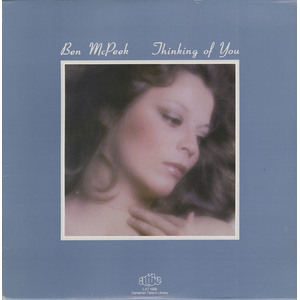
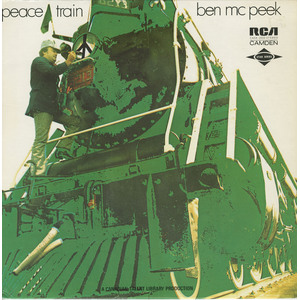
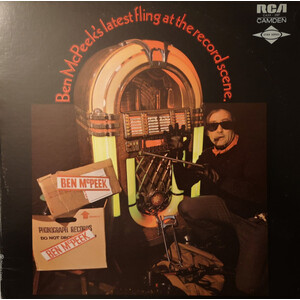
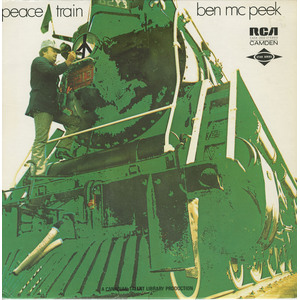
As a recording artist in his own right, McPeek released a series of albums that reflected his evolving interests in jazz-pop, orchestral pop, and instrumental reinterpretations of contemporary songs. These included Play Me, Ben McPeek’s Latest Fling At The Record Scene, Peace Train, and Thinking of You. Collectively, these albums document his distinctive approach to arrangement and ensemble writing during the later stages of his career.
McPeek was also instrumental in the formation of the Guild of Canadian Film Composers in 1979, helping to establish an organization dedicated to advocacy, collaboration, and professional support for composers working in film and media. In the final years of his life, he initiated the Imperial Oil McPeek Pops Library, a catalogue of Canadian popular music arrangements for orchestral performance, administered by the Canadian Music Centre.
Ben McPeek died in Toronto on January 14, 1981. Following his death, the Ben McPeek Scholarship Fund was established at the University of Toronto Faculty of Music to support students in the composition program, ensuring that his legacy continues through future generations of Canadian composers.
-Robert Williston
Tracks


Copperpenny - ST Back cover (detail)
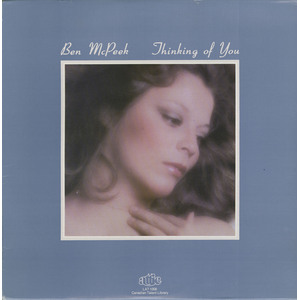
Thinking of You
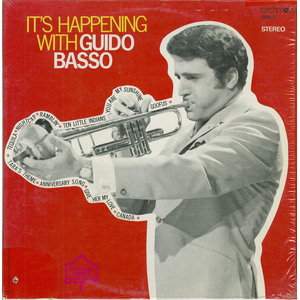
It's Happening (re-issue)
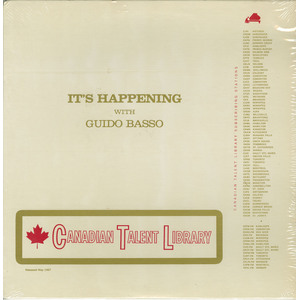
It's Happening
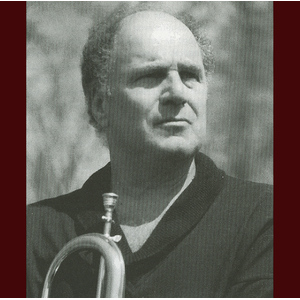
Basso, Guido
BANNER Ben McPeek
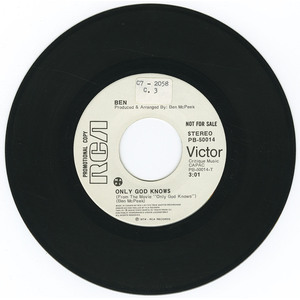
Only God Knows b/w Keyboard Grease
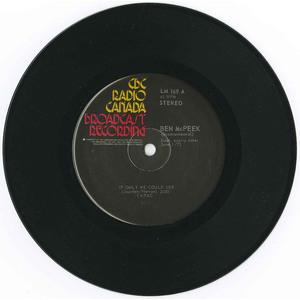
If Only We Could See b/w Goodbye
Peace Train
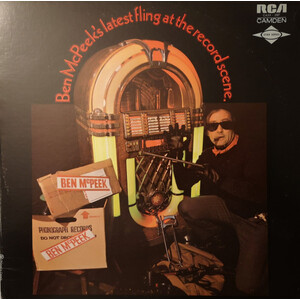
Ben McPeek's Latest Fling at the Record Scene
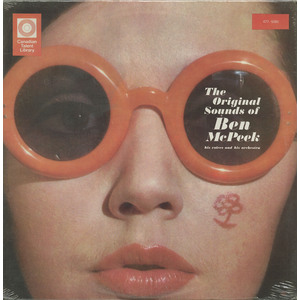
The Original Sounds of
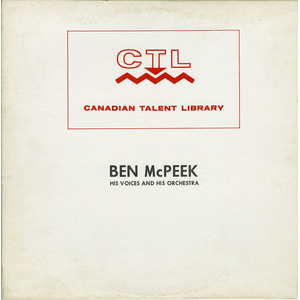
His Voices and His Orchestra
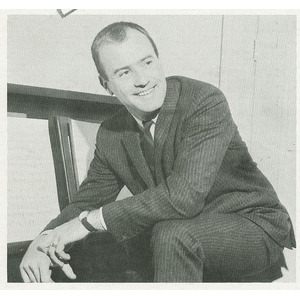
McPeek, Ben
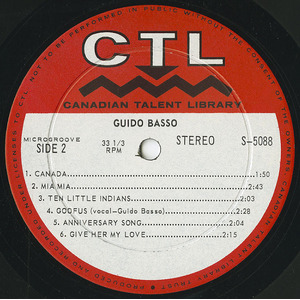
Guido Basso-It's Happening (CTL 5088) LABEL 02
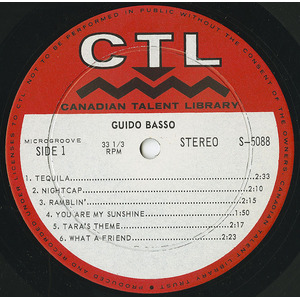
Guido Basso-It's Happening (CTL 5088) LABEL 01
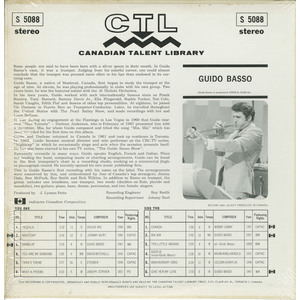
Guido Basso-It's Happening (CTL 5088) BACK
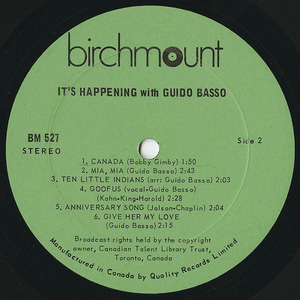
Guido Basso-Its Happening (Birchmount BM 527) LABEL 02
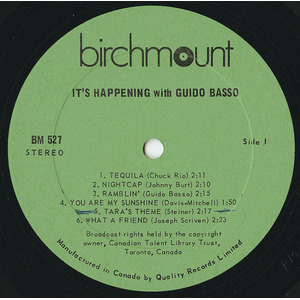
Guido Basso-Its Happening (Birchmount BM 527) LABEL 01
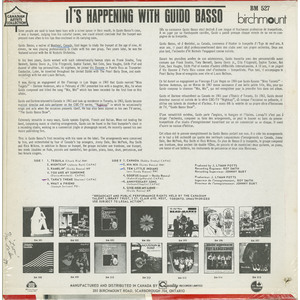
Guido Basso-Its Happening (Birchmount BM 527) BACK
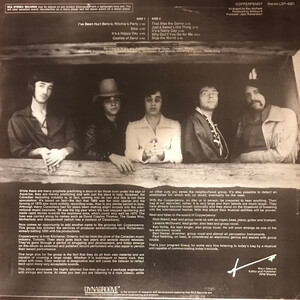
Copperpenny – Copperpenny (3)
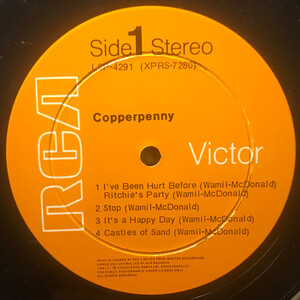
Copperpenny – Copperpenny (2)
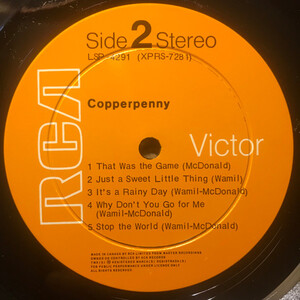
Copperpenny – Copperpenny (1)
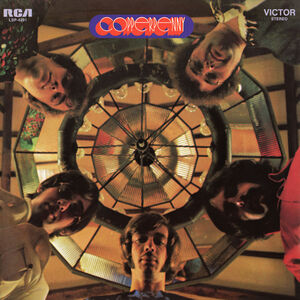
ST
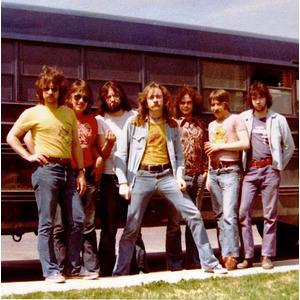
Copperpenny
Lark, Tobi (Bessie Grace Gupton) aka Bessie Watson
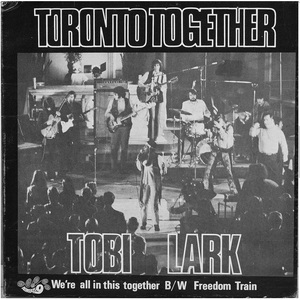
Toronto Together
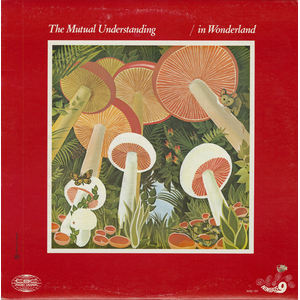
Mutual Understanding
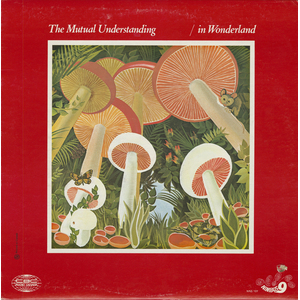
In Wonderland
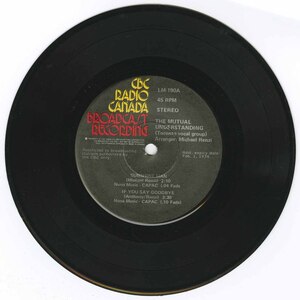
Show Me Your Laughter/ Summer of '42 // Sunshine Man/ If You Say Goodbye
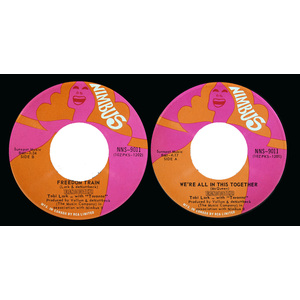
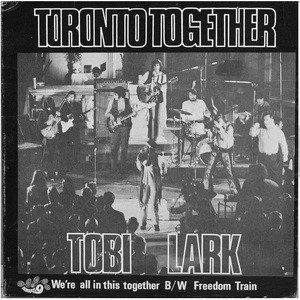
Lark, Tobi & Toronto / We're All In This Together b/w Freedom Train
No Comments